Evaluating Beduciner: A Strategic Analysis of a Futuristic Display Typeface for Modern Branding
In the rapidly evolving landscape of digital and print design, typography serves as more than just a vehicle for text; it is a primary component of visual identity. Designers and brand strategists are constantly seeking typefaces that offer distinct character while maintaining legibility across various media. Among the emerging options available to professionals, Beduciner has garnered attention for its specific aesthetic profile. This article provides a comprehensive evaluation of Beduciner, examining its design characteristics, optimal use cases, trade-offs, and how it compares to broader categories of display fonts in the context of modern web design, editorial layouts, and corporate branding.
Defining the Aesthetic: What Makes Beduciner Distinct?
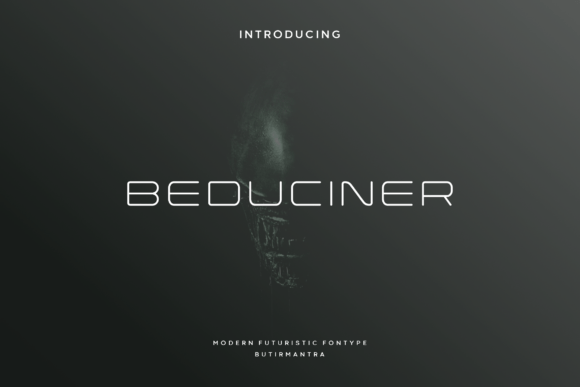
To understand where Beduciner fits within the typographic ecosystem, one must first analyze its core design language. Beduciner is categorized as a modern, elegant, and futuristic display font. This triad of descriptors suggests a typeface that balances sleekness with sophistication, avoiding the overly technical or cold appearance often associated with purely geometric sans-serifs, while steering clear of the decorative excesses found in retro or vintage styles.
The "futuristic" aspect of Beduciner likely manifests through clean lines, precise kerning, and perhaps subtle geometric modifications to letterforms that suggest motion or advanced technology. Meanwhile, the "elegant" quality ensures that the font retains a sense of refinement and high-end appeal. This combination makes it particularly suitable for contexts where a brand needs to project innovation without sacrificing approachability or luxury.
- Visual Weight: Display fonts like Beduciner are designed to be read at larger sizes. Their structural integrity is prioritized over fine detail, allowing them to hold their own on large-format posters or hero sections of websites.
- Tone of Voice: The font communicates authority, clarity, and forward-thinking. It is less about whispering details and more about making a clear, confident statement.
- Versatility within Niche: While it is a display font, its elegance allows it to bridge the gap between tech-forward industries and lifestyle sectors such as fashion or architecture.
Strategic Use Cases for Beduciner
Selecting the right typeface requires aligning the font’s personality with the project’s goals. Beduciner is not a universal solution for all textual needs; rather, it excels in specific applications where visual impact is paramount. Below are key areas where this font demonstrates significant value.
Digital Interfaces and Web Design
In web design, the header section (or hero banner) is critical for capturing user attention immediately. Beduciner’s futuristic elegance can serve as a powerful anchor for landing pages, particularly for startups, tech firms, or creative agencies. Its unique touch helps differentiate a brand in a crowded digital marketplace. However, designers must exercise caution regarding readability on smaller screens. While effective as a headline, Beduciner may not be ideal for body copy due to the potential fatigue associated with reading complex display forms in small sizes.
Brand Identity and Logo Design
A logo must remain legible and recognizable across various scales, from mobile app icons to billboard advertisements. Beduciner’s strong structural presence makes it a viable candidate for logotypes, especially for brands aiming to convey modernity and precision. The font’s distinctiveness aids in memorability, ensuring that the visual identity stands out against competitors who may rely on more generic sans-serif options.
Editorial and Print Media
Magazines, posters, and business cards benefit from the tactile and visual weight of a high-quality display font. For magazine covers or feature article headers, Beduciner can elevate the publication’s perceived prestige. On business cards, a single line of text set in Beduciner can create an immediate impression of professionalism and contemporary style. The contrast between the bold display font and ample negative space can create a sophisticated, minimalist aesthetic that appeals to adult audiences aged 20–50 who value clean, uncluttered design.
Comparative Analysis: Beduciner vs. Other Typography Categories
When evaluating Beduciner, it is helpful to compare it against other common typographic approaches. Understanding these distinctions allows designers to make informed decisions based on specific project requirements.
Beduciner vs. Traditional Serif Fonts
Traditional serif fonts (such as Times New Roman or Garamond) evoke history, tradition, and trustworthiness. They are often preferred for legal documents, academic papers, and heritage brands. In contrast, Beduciner projects modernity and innovation. If a brand’s narrative is rooted in longevity and established expertise, a serif might be more appropriate. However, if the goal is to signal disruption, technological advancement, or a fresh perspective, Beduciner offers a superior alternative. The trade-off here is that Beduciner may lack the warmth and humanistic touch inherent in many serif typefaces.
Beduciner vs. Geometric Sans-Serifs
Geometric sans-serifs (like Futura or Montserrat) are staples of modern design, known for their mathematical purity and neutrality. Beduciner shares the sans-serif structure but differentiates itself through its "elegance" and specific stylistic flourishes. While geometric fonts are highly versatile and safe choices, they can sometimes feel sterile or overused. Beduciner provides a more distinctive character, reducing the risk of the design looking generic. The decision often comes down to whether the brand prefers a neutral, utilitarian voice (geometric sans) or a more expressive, curated voice (Beduciner).
Beduciner vs. Handwritten or Script Fonts
Script fonts introduce a personal, casual, or artistic element. They are excellent for invitations, boutique brands, or creative portfolios. Beduciner, by comparison, is structured and disciplined. It does not offer the same level of informal charm or organic feel. For projects requiring a human, handcrafted touch, Beduciner would likely be too rigid. Conversely, for projects demanding clarity and structural integrity, Beduciner outperforms scripts in terms of legibility and professional tone.
Evaluating Trade-offs and Limitations
No single typeface is perfect for every scenario. Recognizing the limitations of Beduciner is crucial for responsible design implementation.
- Legibility at Small Sizes: As a display font, Beduciner is optimized for headlines and titles. Using it for paragraphs or small UI elements can lead to readability issues. Designers should pair it with a highly legible, neutral sans-serif or serif for body text to ensure accessibility and ease of reading.
- Niche Appeal: The futuristic and elegant nature of Beduciner may not resonate with all audiences. Brands targeting older demographics or those in traditional industries (such as finance or healthcare) might find the font too avant-garde. In these cases, a more conservative typeface might build greater trust.
- Overuse Risk: Because Beduciner is visually striking, there is a temptation to use it excessively. Overusing a distinctive display font can lead to visual fatigue and diminish its impact. It should be used strategically to highlight key messages rather than as a default text style.
Decision Factors: When to Choose Beduciner
Choosing Beduciner should be driven by specific strategic goals. Consider the following checklist when evaluating this font for your project:
- Brand Personality: Does your brand value innovation, sleekness, and modernity? If yes, Beduciner aligns well with these traits.
- Medium of Delivery: Is the primary output large-scale (posters, banners, headers)? Beduciner shines in these formats.
- Competitive Differentiation: Are you trying to stand out in a market saturated with generic fonts? Beduciner’s unique touch can provide that necessary differentiation.
- Audience Expectations: Is your target audience (adults 20–50) responsive to contemporary, high-design aesthetics? If your users appreciate modern art, tech, or fashion, Beduciner is likely to resonate.
Conversely, you might look for alternatives if your project requires extensive body text, targets a highly traditional demographic, or demands a neutral, invisible typography that recedes into the background. In such cases, exploring robust paragraph fonts or classic serifs would be a more prudent choice.
Conclusion on Suitability
Beduciner represents a compelling option for designers and brand managers seeking a typeface that bridges the gap between futuristic innovation and elegant refinement. Its strengths lie in its ability to command attention in display contexts while maintaining a sophisticated aesthetic. By understanding its distinct character and recognizing its limitations, practitioners can leverage Beduciner effectively to enhance visual communication. Whether applied to web interfaces, print collateral, or brand identities, Beduciner offers a unique tool for crafting memorable and impactful designs. Ultimately, the decision to adopt Beduciner should be grounded in a thorough evaluation of the brand’s voice, the intended medium, and the expectations of the target audience.