Lucky: Elevating Design with Elegant Handwritten Typography
In the crowded landscape of digital and print design, typography is often the first thing a viewer notices. It sets the tone, conveys emotion, and establishes brand identity before a single word is read. Among the vast array of available typefaces, Lucky stands out as a sophisticated choice for those seeking to infuse their projects with a sense of grace, personal touch, and refined elegance. This handwritten typeface is not merely a font; it is a tool for storytelling, capable of transforming mundane layouts into compelling visual narratives.
Designed for versatility, Lucky bridges the gap between formal sophistication and casual approachability. Its delicate strokes and fluid lines make it an ideal companion for a wide range of creative endeavors, from high-end branding to intimate wedding invitations. Whether you are a seasoned graphic designer looking for a signature element or a small business owner aiming to create a memorable logo, understanding the nuances of this typeface can significantly enhance your creative output.
The Essence of Lucky: A Delicate Balance
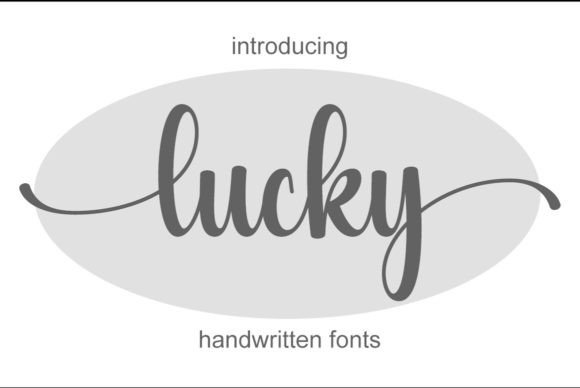
What makes Lucky particularly interesting is its ability to mimic the natural flow of handwriting without sacrificing legibility or structure. Unlike rougher script fonts that can feel chaotic or difficult to read at smaller sizes, Lucky maintains a clean, polished aesthetic. The characters are formed with precision, yet they retain the organic warmth associated with human penmanship. This balance is crucial for modern design, where audiences expect authenticity but also demand clarity.
The "delicate" nature of the font refers to its thin, refined strokes. These lines evoke a sense of lightness and airiness, making the text feel less heavy on the page. This characteristic is especially effective in designs that require a touch of femininity, luxury, or nostalgia. However, it is important to note that delicacy does not mean fragility. When used correctly, Lucky provides a strong visual anchor that draws the eye and guides the reader through the content.
Technical Advantages: PUA Encoding
One of the most practical features of Lucky is its encoding. The font utilizes PUA (Private Use Area) encoding, a technical specification that allows designers to access a comprehensive set of glyphs and alternates. In traditional font usage, accessing alternate characters might require complex workarounds or manual substitution. With PUA encoding, all variations are readily available within the font file itself.
This means you can easily swap standard letters for more ornate or stylistic alternatives directly in your design software. For instance, you might choose a more elaborate 'L' or a different flourish on the tail of a 'y'. This level of control ensures that every detail of your typography can be fine-tuned to match the specific mood and style of your project. It eliminates guesswork and streamlines the design process, allowing for greater creativity and consistency.
Creative Applications and Use Cases
The versatility of Lucky makes it suitable for numerous applications across various industries. Here are some specific ways this typeface can be utilized to achieve distinct design goals.
Branding and Logo Design
For businesses aiming to project an image of elegance, care, or artisanal quality, Lucky serves as an excellent foundation for logo design. It works particularly well for brands in the beauty, fashion, lifestyle, and culinary sectors. Imagine a boutique skincare line using Lucky for its product labels; the delicate script suggests purity and gentle care. Similarly, a café might use it for its menu headers to convey a cozy, inviting atmosphere.
When incorporating Lucky into a logo, consider pairing it with a simpler, sans-serif typeface for secondary information. This contrast creates visual interest and ensures that critical details like contact information remain readable. The handwritten style adds personality, while the supporting font provides stability.
Wedding Invitations and Stationery
Wedding stationery is one of the most common and impactful uses for elegant script fonts. Lucky’s romantic and timeless appeal makes it a top choice for wedding invitations, save-the-dates, and place cards. The font’s graceful curves complement traditional wedding aesthetics, adding a touch of formality without appearing stiff.
To maximize the impact, use Lucky for the names of the couple or the main event title. Keep the rest of the text in a clean, easy-to-read serif or sans-serif font to ensure guests can easily find dates, times, and locations. This hierarchy guides the eye to the most important information while maintaining an overall cohesive and beautiful design.
Social Media and Digital Content
In the fast-paced world of social media, standing out requires a unique visual identity. Lucky can be used to create eye-catching quotes, promotional graphics, and story highlights. Its distinct look helps content creators establish a recognizable brand voice. For bloggers and influencers, using Lucky in header images or featured graphics can add a personal touch that resonates with followers.
However, readability on screens is paramount. Ensure that the text size is large enough and the contrast is high. Avoid placing delicate script over busy backgrounds. Instead, use solid colors or blurred images that provide a clear canvas for the text to shine. This approach ensures that your message is not only aesthetically pleasing but also accessible to your audience.
Practical Tips for Effective Usage
To get the most out of Lucky, it is essential to follow some best practices that ensure your designs remain effective and professional.
- Prioritize Readability: While Lucky is elegant, it should never compromise clarity. Avoid using it for long paragraphs of body text. Reserve it for headlines, titles, and short phrases. If you must use it for longer text, increase the line height and letter spacing to prevent the characters from merging together.
- Create Contrast: Pair Lucky with complementary typefaces. As mentioned earlier, combining it with a neutral sans-serif or a classic serif creates a balanced composition. The contrast between the decorative script and the functional supporting font enhances the overall visual appeal.
- Use White Space: Give your typography room to breathe. Ample white space around Lucky text allows its delicate details to be appreciated. Crowded designs can make the font appear cluttered and hard to read.
- Experiment with Colors: Lucky is versatile enough to work with a wide range of color palettes. Soft pastels can enhance its romantic feel, while bold blacks or metallics can add a touch of luxury. Consider the context of your project when choosing colors to ensure they align with the intended mood.
Consistency Across Platforms
For brands and marketers, consistency is key. Once you have selected Lucky as part of your visual identity, apply it consistently across all touchpoints. Whether it is on your website, business cards, packaging, or social media profiles, using Lucky in a uniform way reinforces brand recognition. Use the same weight, color, and pairing fonts wherever possible to create a cohesive brand experience.
Conclusion
Lucky is more than just a font; it is a design element that brings elegance, personality, and refinement to any project. Its delicate handwritten style, combined with the technical convenience of PUA encoding, makes it a valuable asset for designers, entrepreneurs, and creatives alike. By understanding its strengths and applying it thoughtfully, you can create designs that not only look beautiful but also communicate effectively with your audience.
Whether you are crafting a wedding invitation, designing a logo for a new startup, or creating engaging social media content, Lucky offers the perfect blend of artistry and functionality. Embrace its charm, experiment with its variations, and let it elevate your creative vision. In a world filled with generic templates, choosing a distinctive typeface like Lucky is a step towards creating something truly original and memorable.