Elevating Visual Identity with the Christmas Candy Handwritten Typeface
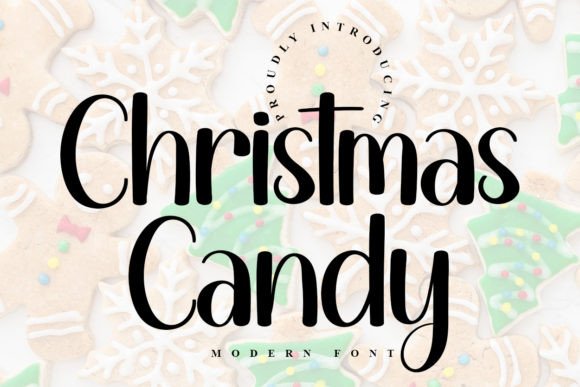
In the rapidly evolving landscape of digital and print design, typography serves as the silent ambassador of a brand’s personality. While sans-serif fonts dominate corporate communications for their clarity and minimalism, there remains a powerful niche for typefaces that evoke emotion, nostalgia, and human connection. Among these expressive choices, Christmas Candy stands out as a gorgeous and bold handwritten font, crafted to give your headlines and logotype projects a stylish touch. This font reads as strong, confident, and dynamic and can add tons of nostalgic character to your designs.
Understanding the nuances of using such a distinctive typeface requires more than just aesthetic appreciation; it demands an understanding of visual hierarchy, audience psychology, and practical application across various media. For professionals, creators, and business owners alike, mastering the use of Christmas Candy can transform ordinary layouts into memorable experiences. This article explores the multifaceted applications of this bold script, examining how its unique characteristics influence design outcomes in both personal and commercial contexts.
The Anatomy of Bold Script Typography
To appreciate why Christmas Candy is effective, one must first understand the mechanics of bold handwritten fonts. Unlike delicate cursive scripts that whisper elegance, bold scripts shout confidence. They are designed to be read quickly yet leave a lasting impression. The weight of the strokes in Christmas Candy ensures legibility even at smaller sizes or when viewed from a distance, making it suitable for signage, posters, and social media graphics.
- Stroke Contrast: The variation between thick and thin lines in handwritten fonts mimics the natural pressure of a pen or brush. Christmas Candy leverages this contrast to create rhythm and movement within the text block.
- Character Shape: The letters are not merely functional symbols but stylized forms. The curves are often exaggerated, and the terminals (the ends of strokes) may feature flourishes that add personality without compromising readability.
- Nostalgic Resonance: Handwritten styles often trigger memories of childhood, holidays, or personal correspondence. By incorporating Christmas Candy, designers tap into these emotional reservoirs, creating an immediate sense of warmth and familiarity.
This combination of structural strength and emotional appeal makes Christmas Candy particularly versatile. It bridges the gap between playful whimsy and professional polish, allowing users to maintain credibility while injecting fun into their visual narrative.
Strategic Applications in Branding and Marketing
For business owners and marketing professionals, the choice of typography is a strategic decision. Using Christmas Candy can signal specific brand values such as creativity, approachability, and tradition. Here is how this font can be integrated into various branding elements:
Logotype Design
A logo is the cornerstone of any brand identity. A bold handwritten font like Christmas Candy can serve as the primary element of a logotype, especially for brands in the food, beverage, craft, or lifestyle sectors. Its strong presence ensures that the brand name is the focal point of the design. When paired with clean, simple sans-serif fonts for secondary information, the contrast creates a balanced composition that is both eye-catching and readable.
Consider a boutique bakery or a holiday-themed pop-up shop. The organic feel of Christmas Candy aligns perfectly with handmade products, suggesting authenticity and care. The font’s dynamic nature suggests energy and excitement, which can drive consumer engagement.
Seasonal Campaigns and Promotions
As the name implies, Christmas Candy carries inherent seasonal associations. However, its utility extends beyond just December. It can be used for Valentine’s Day, Mother’s Day, or back-to-school campaigns where a personal, heartfelt touch is desired. The font’s ability to add nostalgic character makes it ideal for limited-time offers or special edition packaging.
Marketers can leverage this by pairing the font with warm color palettes—reds, greens, golds, or soft pastels—to enhance the thematic message. The boldness of the font ensures that promotional messages stand out in crowded digital feeds or physical mailboxes.
Enhancing Digital Content and Social Media
In the digital realm, attention spans are short, and visual impact is paramount. Social media platforms favor content that stops the scroll. Christmas Candy excels in this environment due to its high visibility and stylistic distinctiveness.
- Instagram and Pinterest Graphics: Quote cards, inspirational posts, and event announcements benefit greatly from bold script headers. Christmas Candy adds a layer of sophistication to user-generated content or branded posts, elevating the perceived quality of the image.
- YouTube Thumbnails: Text on thumbnails needs to be large and legible. The strong, confident nature of Christmas Candy ensures that titles are readable even on small mobile screens. Its playful edge can help differentiate a channel’s content from competitors who rely on standard Arial or Helvetica.
- Email Newsletters: Subject lines and header images in newsletters can use Christmas Candy to convey tone. For educational institutions or hobbyist groups, the font can make dry information feel more inviting and community-oriented.
However, digital usage requires careful consideration of file formats and resolution. As a vector-based or high-resolution raster font, Christmas Candy maintains its integrity across devices. Designers should ensure that the background contrasts sufficiently with the font color to prevent the bold strokes from blending into busy images.
Practical Considerations for Designers and Educators
While Christmas Candy is a powerful tool, it is not a panacea. Effective typography relies on balance and context. Overusing bold handwritten fonts can lead to visual fatigue and reduced readability. Here are key considerations for integrating this typeface successfully:
Pairing Strategies
The most common mistake when using display fonts like Christmas Candy is failing to pair them appropriately. Because the font itself is visually loud, it requires a neutral partner. Clean geometric sans-serifs or classic serifs work best. The simplicity of the partner font allows Christmas Candy to shine without competition. For example, a headline in Christmas Candy might be followed by body text in a lightweight Open Sans or Roboto, creating a clear hierarchy.
Spacing and Kerning
Handwritten fonts often have irregular spacing. When setting text in Christmas Candy, designers must pay close attention to kerning (the space between individual characters) and tracking (the overall spacing of a word). Tight spacing can cause the bold strokes to collide, creating a muddy appearance. Generous whitespace around the text helps the font breathe and enhances its legibility.
Contextual Appropriateness
Not every project calls for a bold script. Corporate annual reports, technical manuals, or legal documents typically require neutrality and precision. In these cases, Christmas Candy would be inappropriate. However, for internal communications, team-building events, or creative workshops, the font can foster a sense of camaraderie and informal professionalism.
The Role of Nostalgia in Modern Design
One of the most compelling aspects of Christmas Candy is its ability to evoke nostalgia. In an era dominated by sleek, minimalist interfaces, consumers are increasingly drawn to designs that feel human and authentic. This trend, often referred to as "neo-brutalism" or "retro-modernism," embraces imperfections and hand-crafted aesthetics.
By using Christmas Candy, designers align their work with this cultural shift. The font’s strong, confident demeanor suggests reliability, while its handwritten style suggests empathy. This duality is particularly effective for brands aiming to connect with younger audiences who value authenticity, or older audiences who appreciate traditional craftsmanship.
Educators can also utilize this font to make learning materials more engaging. Worksheets, certificates, and classroom decorations featuring Christmas Candy can create a welcoming atmosphere that encourages participation. The dynamic nature of the font captures attention, making it easier to hold the interest of students during lessons.
Conclusion: Integrating Personality Through Type
The strategic use of Christmas Candy demonstrates how typography can transcend mere functionality to become a vehicle for storytelling. Whether applied to a luxury product label, a social media campaign, or an educational resource, this font offers a blend of boldness and charm that resonates with diverse audiences. By understanding its strengths and respecting its limitations, designers and business owners can harness its power to create visuals that are not only seen but felt. In a world saturated with generic templates, choosing a gorgeous and bold handwritten font like Christmas Candy is a step toward creating a unique, memorable, and deeply human brand identity.