Enhancing Design Elegance with the Sibling Handwritten Font
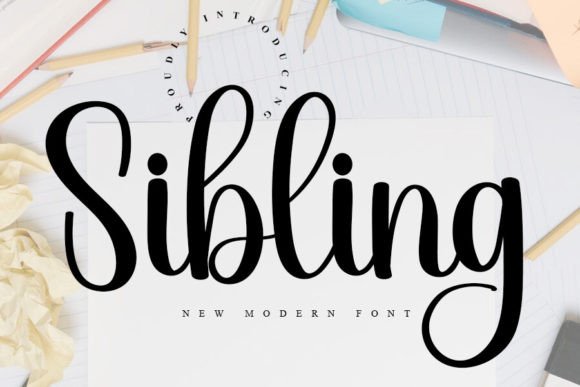
In the vast landscape of digital typography, finding a typeface that strikes the perfect balance between readability and artistic flair can be a daunting task. Designers often struggle to find fonts that convey personality without sacrificing clarity or professional polish. This is where Sibling emerges as a compelling solution. As a delicate, elegant, and flowing handwritten font, Sibling offers a unique aesthetic that bridges the gap between casual script and structured design. Its beautiful, well-balanced characters make it an incredibly versatile tool for a wide pool of designs, allowing creators to add a touch of human warmth to their projects.
Understanding the Aesthetic of Sibling
To appreciate the utility of Sibling, one must first understand its visual language. Unlike rigid sans-serifs or formal serifs, Sibling mimics the natural rhythm of handwriting. However, it avoids the common pitfalls of many script fonts, such as inconsistent stroke weights or illegible letterforms. Instead, it features:
- Delicate Strokes: The thin lines give the font a light, airy feel, making it suitable for backgrounds or subtle accents.
- Flowing Connections: The letters connect in a way that feels organic and fluid, guiding the eye smoothly across the text.
- Well-Balanced Characters: Each glyph is proportioned to maintain harmony, ensuring that the font does not look chaotic even when used in larger sizes.
This combination of traits makes Sibling more than just a decorative element; it is a functional design asset that enhances the overall tone of a project. Whether you are working on a wedding invitation, a lifestyle blog, or a boutique brand identity, Sibling provides a sophisticated yet approachable voice.
Identifying Design Challenges and Solutions
Many designers face specific challenges when incorporating handwritten elements into their work. The primary concern is usually legibility. Script fonts can become difficult to read at small sizes or when placed against complex backgrounds. Additionally, there is the risk of overuse, where a font becomes too trendy or distracting, detracting from the core message.
Sibling addresses these issues through its inherent stability. Because the characters are well-balanced, they remain readable even when styled creatively. The "delicate" nature of the font means it does not overpower other design elements, allowing it to coexist harmoniously with photographs, geometric shapes, and bold headlines. For users seeking practical answers to the problem of "how do I make my design feel personal but professional?", Sibling offers a straightforward implementation strategy: use it as a complementary accent rather than the primary body text.
Practical Applications Across Industries
The versatility of Sibling allows it to be applied across various sectors. Here is how different professionals might leverage this font to achieve specific outcomes:
Wedding and Event Stationery
One of the most traditional uses for elegant handwritten fonts is in wedding invitations and event branding. Couples often seek a font that reflects romance and intimacy. Sibling’s flowing nature captures this emotion perfectly. When paired with minimalist layouts and soft color palettes, Sibling adds a layer of sophistication that feels both timeless and modern. It works exceptionally well for names, dates, and key phrases, drawing attention to the most important details without overwhelming the guest.
Lifestyle and Beauty Brands
In the beauty and wellness industry, aesthetics play a crucial role in marketing. Brands aiming to convey purity, care, and elegance often turn to softer typography. Sibling fits seamlessly into packaging design for skincare products, candles, or artisanal goods. The delicate strokes mirror the gentle nature of the products, creating a subconscious link between the font and the user experience. For social media graphics, using Sibling for quotes or captions can increase engagement by making the content feel more like a personal note from the brand.
Digital Content and Blogging
For bloggers and content creators, establishing a unique visual identity is key to standing out. While body text should remain highly readable (typically in a serif or sans-serif), Sibling can be used effectively for headers, pull quotes, or section dividers. This helps break up long blocks of text and adds visual interest. A travel blogger, for instance, might use Sibling for location names or journal-style entries, enhancing the narrative feel of their stories.
Implementation Strategies for Best Results
To get the most out of Sibling, it is essential to follow best practices in typography. Here are some recommendations for effective implementation:
- Pairing with Complementary Fonts: Since Sibling is a display font, it pairs beautifully with clean, simple sans-serifs or classic serifs. For example, pairing Sibling with a neutral font like Helvetica or Garamond creates a striking contrast that highlights the elegance of the handwritten style.
- Spacing and Kerning: Handwritten fonts often require slightly more tracking (letter spacing) than standard fonts to ensure readability. Experiment with spacing to prevent the letters from feeling cramped, which can happen with flowing scripts.
- Color Contrast: To maintain the delicate appearance of Sibling, ensure high contrast between the font color and the background. Light gray text on a white background may lose the nuance of the strokes, while black or deep navy on cream or pastel backgrounds will enhance its elegance.
- Moderation is Key: Use Sibling sparingly. Let it shine as a hero element or an accent. Overusing it in large paragraphs can lead to visual fatigue and reduce the impact of your message.
Considerations for Different Users
Different users may approach the use of Sibling with varying goals. A graphic designer working on a corporate rebrand might use it cautiously, perhaps only for a logo mark or a signature element, to inject personality into a strict brand guideline. On the other hand, a hobbyist creating a scrapbook or a handmade card might use it extensively to cover large areas, relying on its aesthetic appeal to carry the design.
It is also worth noting that Sibling is available in various formats, including web fonts and desktop licenses. For web designers, embedding Sibling via CSS ensures that the elegant flow is preserved across devices, provided the fallback fonts are chosen wisely. For print designers, high-resolution exports are crucial to capture the fine details of the delicate strokes.
Conclusion
Sibling is more than just a font; it is a design tool that brings elegance, flow, and balance to any project. By understanding its characteristics and applying it thoughtfully, designers and content creators can solve common typographic challenges and create visually stunning results. Whether you are designing a high-end wedding suite, a modern beauty brand, or a personal blog, Sibling offers a reliable and beautiful solution. Embrace its delicate nature and let it guide your audience through your content with grace and style. In a world of digital noise, sometimes the most powerful statement is made with a simple, well-crafted handwritten touch.