Good Note Font Review
In the expansive landscape of digital typography, finding a typeface that balances legibility with aesthetic charm can be a challenging endeavor. Designers and content creators are often searching for fonts that feel personal yet professional, casual yet polished. One typeface that has garnered attention for its specific character is Good Note. Marketed as a delicate and elegant handwritten font, Good Note aims to bridge the gap between rigid sans-serifs and overly ornate script fonts. This review explores the characteristics of Good Note, evaluating its design principles, potential use cases, and practical considerations for those looking to incorporate it into their visual projects.
Understanding the Design Philosophy
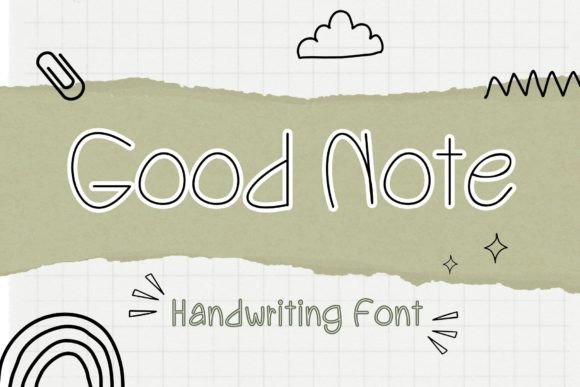
To evaluate whether Good Note aligns with your project needs, it is essential to first understand its structural identity. The font is described as "delicate" and "elegant," which suggests a light weight and refined strokes. Unlike bold display fonts that demand immediate attention through size or weight, Good Note relies on subtlety and grace. Its distinct and well-balanced letters contribute to what some might call a "masterpiece" quality, implying a high level of craftsmanship in the letterform construction.
The term "handwritten" is frequently used in typography to describe fonts that mimic human penmanship. However, not all handwritten fonts are created equal. Some prioritize authenticity by including irregularities and natural variations, while others prioritize consistency and readability. Good Note appears to lean toward a stylized interpretation of handwriting. It offers an incredibly versatile style that avoids the messiness associated with raw cursive scripts. Instead, it presents a clean, curated version of handwriting that feels approachable without sacrificing sophistication.
Why Consider Good Note?
When researching typography, users typically look for solutions to specific communication problems. Here are several reasons why Good Note might appear on a shortlist for evaluation:
- Aesthetic Appeal: For projects requiring a touch of warmth and personality, Good Note provides an immediate emotional connection. Its elegance can soften the tone of a message, making it feel more intimate or inviting.
- Versatility: Despite being a display-style handwritten font, its balanced structure allows it to work in various contexts. It is not limited to just one niche, such as wedding invitations or children's books.
- Distinctiveness: In a sea of ubiquitous sans-serif and serif fonts, Good Note stands out due to its unique character set. Using it can help a brand or document differentiate itself visually.
- Creative Potential: The font’s style lends itself well to creative designs. Whether used for headlines, logos, or decorative elements, it adds a layer of artistry that standard fonts lack.
Practical Applications and Strong Fits
Evaluating a font requires imagining it in action. Good Note is particularly well-suited for scenarios where the goal is to evoke a sense of care, creativity, or personal touch. Below are specific situations where this font may be a strong fit:
- Branding for Lifestyle Businesses: Companies in the beauty, wellness, fashion, or artisanal food sectors often benefit from a softer visual identity. Good Note can serve as a primary logo font or a secondary accent font that reinforces a brand’s commitment to quality and detail.
- Event Stationery: Weddings, birthdays, and corporate retreats often require materials that feel special. Invitations, menus, and place cards designed with Good Note can enhance the perceived value of the event through elegant typography.
- Social Media Graphics: Content creators on platforms like Instagram or Pinterest frequently use text overlays to capture attention. Good Note works well for short quotes, headers, or captions where readability is maintained but visual interest is heightened.
- Educational Materials: For educators or instructional designers creating materials for younger audiences or creative workshops, Good Note can make content feel less formal and more engaging.
Tradeoffs and Considerations
No single typeface is a universal solution. When selecting Good Note, it is crucial to weigh its benefits against potential limitations. Understanding these tradeoffs will help you determine if the font is appropriate for your specific goals.
Legibility at Small Sizes: Delicate fonts often struggle when scaled down. If you plan to use Good Note for body text or small print, you may encounter readability issues. The thin strokes and intricate details can blur or become difficult to decipher on low-resolution screens or in small point sizes. It is generally recommended to reserve Good Note for headings, titles, and large display text.
Tone Appropriateness: While "elegant" is a positive attribute, it may not suit every context. Highly technical, legal, or corporate documents often require a tone of authority and neutrality. Using a handwritten font in these contexts might undermine the seriousness of the content. Careful consideration of the audience and the message is necessary to ensure the font matches the intended tone.
Licensing and Availability: As with any specialized font, it is important to verify licensing terms. Some handwritten fonts come with strict usage rights, particularly for commercial projects. Ensure that the license allows for your intended use, whether it is for personal blogs, client work, or product packaging.
Alternatives to Consider
If Good Note does not fully meet your requirements, there are other categories of fonts to explore depending on your specific needs:
- For Higher Legibility: If you need a handwritten style that remains readable at smaller sizes, consider modern neo-grotesque sans-serifs or highly optimized script fonts with thicker weights. Fonts like Montserrat or Lato offer versatility without the fragility of delicate scripts.
- For Formal Contexts: If the elegance of Good Note feels too casual, traditional serif fonts like Garamond or Baskerville provide a similar sense of refinement but with greater gravitas and historical weight.
- For Maximum Versatility: Geometric sans-serifs offer a clean, neutral canvas that pairs well with almost any other element. If you find Good Note too distinctive for your broader design system, a neutral sans-serif might be a safer choice for primary text.
Decision-Making Insights
Selecting the right font is a strategic decision that impacts user experience and brand perception. To determine if Good Note is the right choice, ask yourself the following questions:
- What is the primary function of the text? Is it decorative or informational? Good Note excels in decorative roles.
- Who is the target audience? Does the audience appreciate artistic, handcrafted aesthetics, or do they prefer clarity and speed?
- How will the font be used? Will it be used in print, on web, or in video? Test the font in its final medium to check for rendering issues.
- Does it pair well with other elements? Good Note should complement, not compete with, other design elements. Ensure it harmonizes with your chosen color palette and imagery.
In conclusion, Good Note is a compelling option for designers seeking to inject elegance and personality into their work. Its delicate structure and handwritten charm make it a standout choice for branding, stationery, and creative graphics. However, its suitability depends heavily on context, scale, and tone. By carefully evaluating its strengths and limitations against your project requirements, you can make an informed decision that enhances your design outcomes. Whether you choose Good Note or an alternative, the key lies in aligning the typographic voice with the core message you wish to convey.