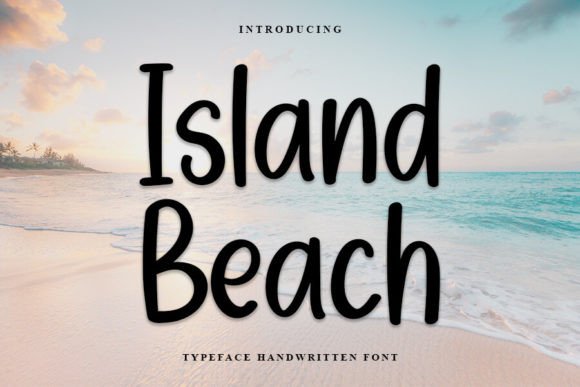
Island Beach Font Review: A Balanced Look at Its Elegance and Practical Use Cases
Selecting the right typeface is often one of the most critical decisions in graphic design, particularly when the goal is to evoke a specific emotional response. Among the myriad of script fonts available today, Island Beach has carved out a distinct niche for itself. It is not merely another handwritten style; it is a deliberate fusion of casual elegance and structured readability. For designers, event planners, and brand managers aged 20 to 50 who are constantly evaluating visual assets, understanding the nuances of Island Beach is essential for making informed typographic choices.
This review explores what makes Island Beach stand out in a crowded market of decorative scripts. We will examine its aesthetic qualities, compare it against broader categories of handwritten fonts, analyze its practical applications, and discuss the tradeoffs that come with using such a specialized typeface. Whether you are designing a wedding invitation suite or a boutique logo, this analysis aims to provide a clear, unbiased perspective on where Island Beach fits into your workflow.
Defining the Aesthetic: What Makes Island Beach Distinct?
To evaluate any font, one must first understand its character. Island Beach is classified as a stylish and incredibly elegant script font. However, "elegant" can be a subjective term. In the context of Island Beach, elegance refers to a balanced proportion between fluidity and legibility. Unlike many brush scripts that prioritize artistic flair over clarity, or rigid calligraphy that feels formal and stiff, Island Beach strikes a middle ground.
The font mimics the natural flow of handwriting but with a polished finish. The strokes vary in thickness, suggesting the pressure of a pen or brush, yet the connections between letters are smooth and consistent. This creates a visual rhythm that guides the eye effortlessly across the text. The name itself suggests a relaxed, coastal vibe, which is reflected in the slightly loose, airy structure of the characters. It does not feel cramped or overly ornate; instead, it breathes, offering a sense of calm sophistication.
What truly distinguishes Island Beach from generic script options is its versatility within the "handwritten" category. Many script fonts suffer from poor kerning (the spacing between letters) or inconsistent stroke weights, which can make them difficult to use in professional settings. Island Beach appears to have been engineered with these common pitfalls in mind, resulting in a typeface that feels both organic and reliable. It avoids the excessive flourishes that can clutter a design, opting instead for clean lines that maintain readability even at smaller sizes.
Comparative Analysis: Script Fonts vs. Structured Alternatives
When choosing a font for a project that requires a personal touch, designers often face a binary choice: use a traditional serif or sans-serif font for maximum readability, or switch to a script font for personality. Island Beach challenges this dichotomy by offering a third path—one that retains the warmth of handwriting without sacrificing the structural integrity of a professional design.
Island Beach vs. Traditional Serifs
Traditional serifs like Garamond or Baskerville are timeless and highly readable. They convey authority, tradition, and stability. However, they can sometimes feel cold or corporate, lacking the human element that clients often seek in modern branding or personal stationery. Island Beach provides that human element. Where a serif might say "established institution," Island Beach says "crafted with care." For brands aiming to appear approachable yet upscale, Island Beach offers a warmer alternative to classic typography.
Island Beach vs. Casual Handwritten Scripts
There is a vast category of "doodle" or "marker" style fonts that simulate messy, quick handwriting. These fonts are fun and energetic but often lack the refinement required for high-end applications. They can appear unprofessional if used incorrectly. Island Beach differs significantly here. While it is inspired by handwriting, it is too controlled to be considered "messy." It is better suited for contexts that require a touch of formality, such as luxury packaging or formal invitations, whereas casual marker fonts are better reserved for social media graphics or children’s products.
Practical Applications and Best-Fit Scenarios
Understanding the strengths of Island Beach helps in identifying where it will shine. Its combination of elegance and readability makes it particularly effective in scenarios where space is limited but impact is high. Below are some of the most effective use cases for this typeface.
- Wedding Invitations: This is perhaps the most common application. The font’s romantic yet refined nature complements the solemnity and joy of weddings. It works exceptionally well for couple names, dates, and venue details, adding a layer of sophistication that plain text cannot achieve.
- Thank You Cards and Greeting Cards: Personal correspondence benefits greatly from the illusion of handwriting. Island Beach simulates a personalized note without the risk of illegibility. It conveys gratitude and thoughtfulness, enhancing the emotional resonance of the message.
- Logo Design: For businesses in the beauty, lifestyle, or artisanal sectors, a script logo can communicate craftsmanship. Island Beach is sturdy enough to serve as a primary logotype for small businesses, provided it is paired with a simpler sans-serif font for secondary information to ensure balance.
- Business Cards: Using Island Beach for a name or title on a business card can leave a memorable impression. However, caution is advised; it should be used sparingly. Pairing it with a clean, minimal background ensures that the contact information remains easy to read.
- Quotes and Social Media Graphics: In an era where visual content dominates, short quotes need to be visually appealing. Island Beach adds a premium feel to inspirational quotes, making them more likely to be shared on platforms like Instagram or Pinterest.
Evaluating Tradeoffs and Limitations
No single tool is perfect, and Island Beach is no exception. While it excels in specific contexts, there are limitations that designers must consider before committing to it for a full project.
The primary limitation of any script font, including Island Beach, is legibility at scale. While it is more readable than many competitors, it still struggles with long paragraphs of text. It is not suitable for body copy in books, articles, or websites. Attempting to use Island Beach for lengthy passages will fatigue the reader and obscure the message. It is strictly a display font, intended for headlines, titles, and short phrases.
Another consideration is tone consistency. Because Island Beach is so distinctly "elegant," it may clash with designs that aim for a rugged, industrial, or ultra-modern aesthetic. If a brand’s identity is built around raw energy or minimalist starkness, Island Beach might feel out of place. It brings a softness and warmth that may not align with all brand voices. Designers must carefully assess whether the desired emotional output matches the inherent personality of the font.
Additionally, compatibility with other fonts is crucial. Island Beach has a strong visual presence, which means it can overpower weaker companion fonts. It pairs best with simple, neutral typefaces that do not compete for attention. Complex pairings can result in a chaotic visual hierarchy, undermining the elegance that Island Beach strives to achieve.
Decision Factors: When to Choose Island Beach
Ultimately, the decision to use Island Beach depends on the specific goals of the project. Here are key factors to help guide that decision.
- Desired Emotional Tone: If the goal is to evoke feelings of romance, luxury, relaxation, or personal connection, Island Beach is a strong candidate. If the goal is to convey urgency, technical precision, or bold aggression, look elsewhere.
- Length of Text: For short texts—titles, names, slogans—Island Beach performs beautifully. For longer content, stick to standard sans-serifs or serifs.
- Target Audience: Adults aged 20–50 generally appreciate a blend of modern aesthetics and classic elegance. Island Beach appeals to this demographic by avoiding the dated look of overly ornate Victorian scripts while maintaining a level of sophistication that feels current.
- Brand Consistency: Ensure that the font aligns with existing brand guidelines. If your brand uses clean lines and minimalism, Island Beach can add a unique accent without disrupting the overall harmony.
In conclusion, Island Beach is a versatile and high-quality script font that offers a compelling alternative to both rigid traditional fonts and overly casual handwritten styles. Its strength lies in its ability to bridge the gap between professionalism and personal touch. By understanding its strengths, limitations, and ideal use cases, designers can leverage Island Beach to create impactful, elegant designs that resonate with their audience. It is not a universal solution, but for the right project, it is an exceptional tool.