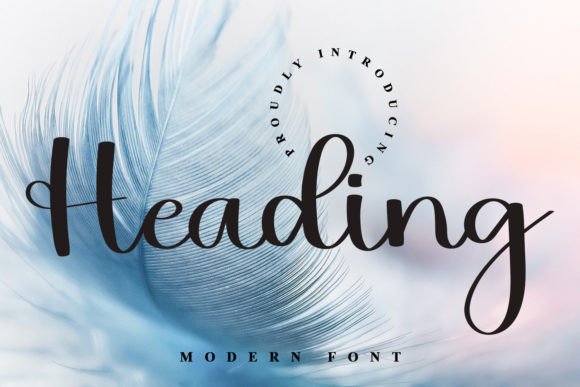
Introducing Heading Font: A Bold and Impactful Typeface Designed Specifically for Eye-Catching Headlines and Titles
In an era where digital attention spans are shrinking and visual noise is at an all-time high, the ability to capture interest within seconds has become a critical skill for designers, marketers, and content creators. The first point of contact between a user and a piece of content is rarely the body text; it is the headline. This realization has driven a significant shift in typographic trends, moving away from subtle, minimalist serif fonts toward typefaces that command attention with authority and clarity. Enter Heading Font, a bold and impactful typeface designed specifically for eye-catching headlines and titles. With its strong lines, commanding presence, and attention-grabbing letterforms, Heading Font makes a statement in any design. Perfect for posters, banners, and editorial layouts, this font ensures your headings stand out with confidence and style.
The Evolution of Visual Hierarchy in Modern Design
To understand why Heading is relevant today, we must look at how user behavior has changed. In the early days of web design, readability was often prioritized over dramatic visual impact. However, as mobile devices became the primary screen for consumption, the need for immediate legibility and emotional resonance grew. Users scroll rapidly through feeds, scanning for cues that tell them whether a piece of content is worth their time. This "skimming culture" demands that typography do more than just convey information; it must evoke emotion and establish hierarchy instantly.
This shift has led to the rise of display typography as a core component of brand identity. Brands are no longer satisfied with standard system fonts like Arial or Times New Roman for their key messages. Instead, they are seeking custom or specialized typefaces that can serve as visual anchors. Heading Font addresses this need by offering a balance between aesthetic appeal and functional clarity. Its strong lines are not merely decorative; they are engineered to guide the eye and structure complex information into digestible chunks. For professionals ranging from freelance graphic designers to corporate marketing teams, having access to a versatile, high-impact typeface is no longer a luxury—it is a necessity for effective communication.
Why Strong Lines Matter in Editorial and Digital Layouts
The defining characteristic of Heading Font is its robust structural integrity. Unlike delicate script fonts or overly condensed sans-serifs that can struggle on lower-resolution screens, Heading Font relies on thick, confident strokes. This design choice has practical implications for accessibility and readability. When a headline uses strong, clear letterforms, it reduces cognitive load for the reader. The brain processes these shapes faster, allowing the viewer to grasp the main idea before diving into the supporting details.
This is particularly important in editorial layouts, where space is often at a premium. Whether you are designing a magazine spread, a blog post header, or a social media graphic, the headline must compete with images, sidebars, and navigation elements. Heading Font’s commanding presence allows it to cut through this clutter. It creates a focal point that draws the reader in without shouting aggressively. This subtlety in boldness is what separates good design from great design. It respects the reader’s intelligence while providing the visual cues needed to navigate the content effectively.
- Improved Legibility: The wide apertures and clear counters in Heading Font ensure that letters remain distinct even at small sizes or on mobile devices.
- Brand Consistency: Using a dedicated heading font helps unify disparate pieces of content under a single visual umbrella, reinforcing brand recognition.
- Emotional Resonance: The weight and shape of the letters convey a tone of authority and reliability, which can enhance the perceived value of the content.
Practical Applications for Creators and Businesses
The versatility of Heading Font makes it suitable for a wide range of applications. For entrepreneurs and business owners, the font can be used in pitch decks, annual reports, and promotional materials to project professionalism and strength. In these contexts, the right typeface can subconsciously influence how stakeholders perceive the stability and competence of a company. A well-chosen headline font signals that attention has been paid to detail, fostering trust with potential clients or investors.
For educators and bloggers, Heading Font offers a way to break up long-form content into manageable sections. By using the font for subheadings and pull quotes, writers can create a visual rhythm that encourages readers to continue scrolling. This is crucial for SEO as well, as users who find content easy to scan are more likely to stay on the page longer, reducing bounce rates. Furthermore, the font’s modern aesthetic aligns well with contemporary educational platforms and online course materials, making learning resources feel fresh and engaging rather than dry and academic.
In the realm of physical design, such as posters and banners, Heading Font shines due to its scalability. Large-scale printing requires typefaces that maintain their integrity when blown up to billboard size. Thin or intricate fonts often lose detail or become difficult to read from a distance. Heading Font’s bold construction ensures that every letter remains crisp and legible, regardless of the viewing distance. This makes it an ideal choice for event promotions, retail signage, and public awareness campaigns where immediate comprehension is key.
Integrating Heading Font into Your Workflow
Adopting a new typeface involves more than just selecting it from a dropdown menu. To get the most out of Heading Font, designers and content creators should consider how it interacts with other elements in the layout. Because the font is so visually dominant, it pairs best with simpler, neutral body text. Letting the headline take center stage prevents visual competition and allows the message to land with maximum impact. Avoid pairing it with other heavy or decorative fonts, as this can create a chaotic and unprofessional appearance.
Another key consideration is spacing. Due to the bold nature of the letterforms, generous tracking (letter-spacing) and leading (line-height) can enhance the elegance of the font. Tight spacing might cause the thick strokes to merge, reducing readability. Conversely, ample white space around the headline emphasizes its importance and gives the design room to breathe. This technique is especially effective in minimalist designs, where negative space is used strategically to highlight the typography itself.
For those working in digital environments, it is also important to test the font across different browsers and devices. While Heading Font is designed for broad compatibility, rendering engines can vary slightly. Ensuring that the font loads correctly and maintains its intended proportions on both desktop and mobile screens is essential for a seamless user experience. Many modern web development frameworks support custom font integration, allowing you to embed Heading Font directly into your website or application for consistent presentation.
The Future of Typography in a Fast-Paced World
As technology continues to evolve, so too will the ways we consume information. Augmented reality, dynamic interfaces, and personalized content delivery systems will require typography that is not only readable but also adaptable. Fonts like Heading Font, which prioritize clarity and impact, are well-positioned to thrive in these emerging mediums. Their strong foundational design allows for easy modification and adaptation without losing their core identity.
Moreover, as remote work and digital collaboration become the norm, the demand for high-quality design tools and resources has increased. Professionals are looking for solutions that save time while delivering professional results. Heading Font serves as a powerful tool in this regard, enabling users to create compelling visuals quickly and efficiently. By investing in quality typography, individuals and organizations can elevate their communication strategies, ensuring that their messages are not only heard but remembered.
In conclusion, Heading Font represents a thoughtful response to the challenges of modern design. It combines aesthetic sophistication with practical functionality, making it an invaluable asset for anyone looking to make a lasting impression. Whether you are crafting a personal blog, launching a startup, or designing a major campaign, choosing the right typeface can significantly influence the success of your project. With its bold character and versatile application, Heading Font empowers creators to communicate with confidence, ensuring that their headings stand out with style and purpose in an increasingly crowded digital landscape.