Photoshoot Font: A Practical Evaluation for Modern Design Projects
In the competitive landscape of visual communication, typography serves as more than just a vehicle for text; it is the primary emotional hook that draws an audience in. For designers, content creators, and business owners aged 20 to 50, selecting the right typeface is a critical decision that balances aesthetics with functionality. Among the myriad of options available, Photoshoot has emerged as a distinct choice for those seeking a blend of freshness, simplicity, and unique character. This article provides a comprehensive evaluation of Photoshoot, exploring its design philosophy, ideal use cases, and how it compares to other typographic approaches in the market.
Understanding the Core Identity of Photoshoot
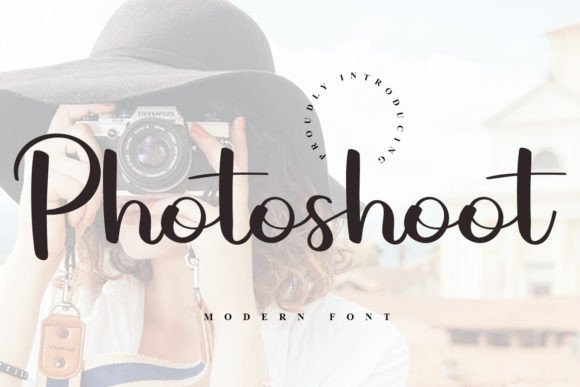
Photoshoot is not merely a decorative script or a rigid geometric sans-serif. It occupies a nuanced space in the typographic spectrum, characterized by its clean lines and organic flow. The font is described as "fresh and beautiful," a designation that speaks to its modern sensibility while retaining a timeless appeal. Its design prioritizes readability without sacrificing style, making it a versatile tool for various design purposes.
The strength of Photoshoot lies in its simplicity. In an era where visual clutter is common, this font offers a breath of fresh air. Its unique structure allows it to stand out without overwhelming the viewer. This balance is crucial for professional designs where the message must remain clear. Whether used for digital banners or printed materials, Photoshoot ensures that the content takes center stage while the typography adds a layer of sophisticated elegance.
- Fresh Aesthetic: The letterforms are designed to feel contemporary and relevant, avoiding dated trends.
- Unique Character: Subtle variations in stroke width give the font personality, distinguishing it from generic alternatives.
- Simplicity: Clean lines ensure high legibility across different sizes and mediums.
Ideal Use Cases and Applications
One of the most compelling arguments for choosing Photoshoot is its versatility. While some fonts are limited to specific niches, Photoshoot adapts well to a wide range of applications. Understanding these use cases helps designers evaluate whether this font aligns with their project goals.
Digital Media and Social Presence
In the realm of digital marketing, first impressions are fleeting. YouTube banners, social media headers, and website hero sections require typography that is both eye-catching and readable at small sizes. Photoshoot’s clarity makes it an excellent candidate for these spaces. Its unique flair can help a channel or brand establish a memorable identity without resorting to overly complex graphics. Furthermore, its compatibility with modern web standards ensures smooth rendering across devices, which is essential for maintaining user engagement.
Branding and Corporate Identity
For businesses aiming to progress and develop, a strong visual identity is non-negotiable. Cover logos and mockups benefit significantly from the structural integrity of Photoshoot. The font’s ability to convey professionalism while remaining approachable makes it suitable for startups and established enterprises alike. When integrated into ID cards or corporate stationery, it projects an image of organized creativity. This duality—being both simple and unique—is often difficult to find in a single typeface, making Photoshoot a valuable asset for brand consistency.
Event and Personal Stationery
The demand for personalized design extends beyond corporate needs. Wedding invitations are perhaps one of the most emotionally charged design challenges. Couples often seek fonts that reflect romance and elegance without appearing cliché. Photoshoot offers a refined alternative to traditional calligraphy scripts. It maintains readability for detailed event information while adding a touch of artistic flair. Similarly, for flyers promoting local events or workshops, the font’s bold yet clean appearance ensures that key details are noticed quickly.
Crafts and Handmade Goods
The rise of the creator economy has led to a surge in demand for fonts that mimic handcrafted aesthetics. Crafts such as custom t-shirts, mugs, and packaging often rely on typography that feels personal and artisanal. Photoshoot’s organic touches make it an ideal choice for these applications. It bridges the gap between digital precision and handmade charm, allowing artisans to produce professional-looking products that resonate with consumers seeking authenticity.
Comparative Analysis: Photoshoot vs. Traditional Options
To make an informed decision, it is helpful to compare Photoshoot with other common typographic categories. Most designers navigate between three main types: serif, sans-serif, and script.
vs. Traditional Serif Fonts: Serif fonts like Times New Roman or Georgia are staples of formal documentation. However, they can sometimes feel too rigid or academic for modern branding. Photoshoot offers a softer, more inviting alternative. While it may lack the historical gravitas of a classic serif, it provides a contemporary edge that appeals to younger demographics. For projects requiring a sense of tradition mixed with modernity, Photoshoot strikes a better balance than heavy serif faces.
vs. Geometric Sans-Serifs: Fonts like Helvetica or Futura are known for their neutrality and cleanliness. They are safe choices but can sometimes lack personality. Photoshoot distinguishes itself by injecting subtle uniqueness into its forms. Where a geometric sans might feel cold or sterile, Photoshoot feels warm and engaging. This makes it a superior choice for brands that want to appear friendly and accessible rather than purely functional.
vs. Decorative Scripts: Many script fonts prioritize style over substance, becoming illegible when scaled down or used in paragraphs. Photoshoot avoids this pitfall. While it has script-like qualities, its structural integrity ensures that it remains readable. This practical advantage makes it more versatile for long-form text or dense layouts compared to purely decorative scripts.
Evaluating Strengths and Tradeoffs
No typeface is perfect, and understanding the tradeoffs of Photoshoot is essential for effective implementation.
Strengths
- Versatility: As noted, its applicability spans from digital banners to physical crafts.
- Brand Progression: The font’s modern look supports business growth by keeping visuals current.
- Readability: Its simple design ensures that messages are communicated clearly.
Potential Limitations
While Photoshoot is robust, it may not be the best fit for highly technical or scientific documents where strict neutrality is required. Additionally, because it possesses a unique character, it may clash with other highly stylized elements if not paired carefully. Designers should avoid combining it with overly ornate backgrounds or competing typefaces, as this can dilute its impact.
Decision Factors: Is Photoshoot Right for You?
Choosing the right font depends on the specific goals of your project. Consider the following factors:
- Target Audience: If your audience values modernity and clarity, Photoshoot is likely a strong contender.
- Medium of Delivery: Ensure the font renders well on your intended platforms, especially for web-based assets like YouTube banners.
- Brand Voice: Does your brand aim for elegance and simplicity? Photoshoot aligns well with these values.
- Volume of Text: For large blocks of text, test the font’s readability. While good for headings and short copy, extensive body text might require a more neutral companion font.
Ultimately, Photoshoot represents a thoughtful addition to the typographic toolkit. It addresses the need for fonts that are both aesthetically pleasing and functionally sound. By offering a fresh perspective on simplicity and uniqueness, it empowers designers to create work that stands out in a crowded marketplace. Whether you are designing a wedding invitation or scaling a digital brand, evaluating Photoshoot against your specific criteria will help determine if it is the right partner for your creative vision.