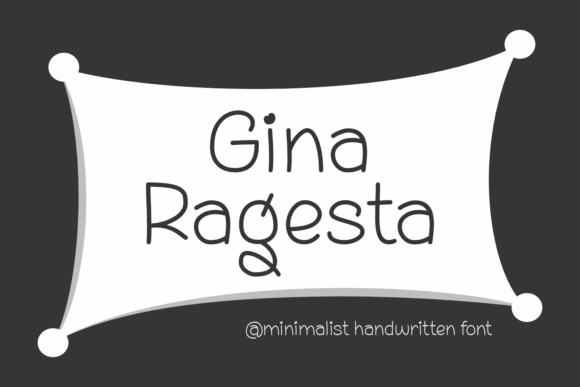
The Art of Subtle Expression: Integrating Gina Ragesta Into Modern Design Workflows
In the contemporary landscape of digital and print design, the tension between legibility and personality is a constant negotiation. Designers are often tasked with creating visuals that communicate clearly while simultaneously evoking an emotional response. This balance is particularly challenging when selecting typography for projects that require a human touch without sacrificing professionalism. It is within this niche that Gina Ragesta emerges as a compelling solution. Defined by its beautiful minimalist handwritten aesthetic, this typeface offers a unique blend of cute and friendly characteristics that resonate across a diverse spectrum of creative endeavors.
Understanding the utility of a font requires looking beyond its visual appeal to how it functions within a layout. Gina Ragesta is not merely a decorative element; it is a tool for communication. Its structure supports text paragraphs, enhances business cards, anchors quote graphics, and elevates website headers. By examining the specific attributes of this font, we can better understand why it has become a preferred choice for creators who seek to inject warmth and approachability into their work.
Deconstructing the Aesthetic: Minimalism Meets Handwritten Charm
To appreciate the value of any typographic asset, one must first analyze its structural DNA. The description of Gina Ragesta as a "beautiful minimalist handwritten font" points to a deliberate design philosophy. Minimalism in typography does not imply emptiness; rather, it suggests clarity, intentionality, and the removal of unnecessary ornamentation. When combined with a handwritten style, which typically conveys informality and authenticity, the result is a typeface that feels both curated and casual.
This duality is crucial for modern branding. Consumers today are fatigued by overly polished, corporate-looking communications. They crave authenticity. A font like Gina Ragesta bridges this gap. It retains the readability associated with clean, minimalist sans-serif or serif fonts but introduces the organic imperfections and fluidity of handwriting. The "cute and friendly" descriptor further refines this identity. It suggests rounded edges, open counters, and a lightness of stroke that avoids aggression or heaviness. This makes the font inherently inviting, softening the user experience whether they are reading a blog post or viewing a product label.
The versatility of this aesthetic allows it to transcend specific industries. While it might seem suited primarily for lifestyle brands, its neutral enough base allows it to function in educational materials, tech startups seeking a human-centric brand voice, and even personal portfolios. The key lies in understanding that the font’s strength is its ability to reduce friction in communication. It makes the viewer feel at ease, which is a subtle but powerful psychological trigger in design.
Practical Applications Across Creative Disciplines
The true test of a typeface is its performance in real-world scenarios. Gina Ragesta shines in environments where connection is paramount. Below, we explore specific use cases where this font demonstrates its practical value.
Identity and Branding Materials
Business cards are often the first physical interaction a client has with a brand. Using a standard corporate font can make a card feel forgettable. However, incorporating Gina Ragesta into a business card design adds a layer of personal care. It signals that the individual behind the business values aesthetics and attention to detail. For freelancers, consultants, and small business owners, this font can serve as a visual signature. It works exceptionally well for names, titles, or taglines on the card, providing a focal point that draws the eye without overwhelming the necessary contact information.
Similarly, in logo design, Gina Ragesta can be used for wordmarks that aim to convey approachability. A bakery, a boutique clothing store, or a wellness coach might find that this font aligns perfectly with their brand ethos. The minimalist aspect ensures that the logo remains scalable and recognizable even at smaller sizes, while the handwritten nature keeps it distinct from competitors using rigid geometric fonts.
Digital Content and Web Design
In the realm of web design, typography plays a critical role in user retention. Long blocks of text can be daunting, but strategic use of display fonts can break up content and guide the reader’s eye. Gina Ragesta is ideal for pull quotes, section headers, and call-to-action buttons. Its friendly demeanor encourages users to engage with the content. For instance, a parenting blog or an educational resource site could use this font for headings to create a nurturing atmosphere.
Furthermore, as mobile browsing continues to dominate internet traffic, readability is non-negotiable. The minimalist nature of Gina Ragesta ensures that it remains legible on smaller screens. Unlike complex script fonts that can become illegible when scaled down, this font maintains its clarity. This makes it a safe and effective choice for responsive web designs where typography must adapt seamlessly across devices.
Printables and Social Media Graphics
The rise of the creator economy has led to a surge in demand for high-quality printables and social media templates. Platforms like Pinterest and Instagram are visually driven, and typography is often the primary hook. Gina Ragesta is perfectly suited for quote graphics, inspirational posters, and event invitations. The "cute" factor resonates strongly with audiences on these platforms, encouraging shares and saves.
For educators and parents, printable worksheets or classroom decorations featuring this font can create a welcoming learning environment. The friendly strokes reduce the intimidation factor of academic subjects, making them appear more accessible to younger students. In marketing, limited-time offer banners or sale announcements can benefit from the urgency and excitement conveyed by a handwritten style, provided it is balanced with clear, minimalist spacing.
Strategic Considerations for Implementation
While Gina Ragesta offers numerous advantages, successful implementation requires a thoughtful approach. Typography is never used in isolation; it exists in conversation with other design elements. Understanding how to pair and scale this font is essential for achieving professional results.
- Pairing Strategies: Because Gina Ragesta has a distinct personality, it pairs best with neutral, clean typefaces. Sans-serif fonts like Helvetica, Roboto, or Open Sans provide a stable foundation that allows the handwritten font to stand out without competing for attention. The contrast between the structured body text and the expressive headings creates visual hierarchy. Serif fonts can also work if they are simple and understated, but care must be taken to avoid clashing styles.
- Weight and Spacing: The effectiveness of a handwritten font often depends on letter-spacing (tracking). Tight spacing can make the font look messy, while generous spacing can enhance its minimalist elegance. Designers should experiment with tracking to ensure the characters breathe. Additionally, using the font sparingly—limiting it to short phrases or headlines—prevents visual fatigue. It is rarely advisable to set long paragraphs of body copy in a handwritten style, as it can hinder reading speed and comprehension.
- Contextual Relevance: Not every project calls for a cute and friendly tone. In legal, financial, or technical sectors, Gina Ragesta might undermine the perceived authority of the message. It is crucial to assess the brand voice before adopting this typeface. If the goal is to convey trustworthiness through seriousness, a more traditional serif or grotesque sans-serif may be more appropriate. Gina Ragesta excels in contexts where empathy, creativity, and personal connection are the primary objectives.
The Broader Impact on User Experience
Beyond the immediate visual appeal, the choice of typography influences the overall user experience (UX). Research in environmental psychology suggests that the shapes and lines people encounter in their daily surroundings affect their mood and behavior. Curved, organic lines, such as those found in handwritten fonts, are generally perceived as safer and more comforting than sharp, angular lines. By integrating Gina Ragesta into a design, creators are subtly signaling safety and openness.
This is particularly relevant in the digital age, where users are bombarded with information. A design that feels gentle and well-crafted can reduce cognitive load. When a user encounters a website or document that uses a font like Gina Ragesta appropriately, they are more likely to stay longer and engage more deeply. The font acts as a silent ambassador for the brand, communicating values of friendliness and accessibility before a single word is read.
Moreover, the trend toward personalization in design favors fonts that mimic human input. As artificial intelligence generates more content, there is a growing counter-movement that seeks to re-humanize digital interactions. Handwritten fonts serve as a bridge in this movement, reminding users that there is a human mind behind the screen. Gina Ragesta, with its minimalist yet personal touch, fits perfectly into this narrative. It acknowledges the digital medium while asserting the presence of human creativity.
Conclusion: A Tool for Authentic Connection
Selecting the right typeface is one of the most impactful decisions a designer can make. It sets the tone, guides the reader, and defines the brand’s character. Gina Ragesta stands out as a versatile and emotionally intelligent choice for those looking to soften their visual language. Its combination of minimalist clarity and handwritten charm allows it to navigate a wide range of applications, from business cards to websites.
For professionals, hobbyists, and creators alike, the lesson is clear: typography is not just about filling space with letters; it is about shaping perception. By leveraging the unique qualities of fonts like Gina Ragesta, designers can create experiences that are not only visually pleasing but also emotionally resonant. In a world that increasingly values authenticity, a font that feels genuine and friendly is not just an aesthetic preference—it is a strategic asset. Whether you are designing a new brand identity, updating your website, or creating print materials, considering the nuanced capabilities of this typeface can elevate your work from functional to memorable.