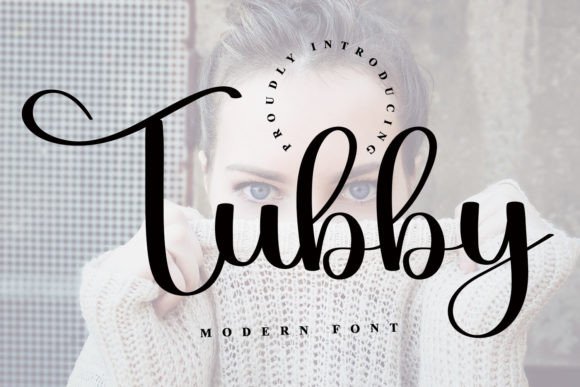
Tubby: Why This Handwritten Font Is the Upgrade Your Design Needs
Choosing the right typeface is rarely just about picking something that looks "pretty." It is a strategic decision that dictates the tone, readability, and overall perception of your brand or project. Among the myriad of display fonts available today, Tubby has emerged as a distinctive choice for designers who want to balance elegance with approachability. Described as an exquisite handwritten font masterfully designed to become a true favorite, Tubby offers a unique blend of classy calligraphic influences and contemporary freshness.
If you are a marketer, blogger, small business owner, or creative professional, you might be drawn to the personal touch that script and handwritten fonts provide. However, integrating a font like Tubby requires more than just dragging it into your design software. There are common pitfalls regarding licensing, pairing, and application that can undermine even the most beautiful typography. Understanding these nuances ensures that Tubby elevates your work rather than distracting from it.
Understanding the Appeal of Tubby
At its core, Tubby is designed to feel both timeless and modern. It maintains strong calligraphic roots, which gives it a sense of sophistication and tradition. Yet, unlike many ornate scripts that feel dated or overly complex, Tubby feels fresh and accessible. This duality makes it versatile for a wide range of applications, from luxury branding to casual social media graphics.
The primary reason creators fall in love with Tubby is its ability to convey personality without sacrificing legibility. In an era where digital attention spans are short, a font that grabs attention through style but remains easy to read is invaluable. Whether you are designing a wedding invitation, a coffee shop menu, or a boutique e-commerce banner, Tubby adds a layer of curated care that standard sans-serif fonts often lack.
Common Misconceptions About Handwritten Fonts
One of the most frequent mistakes designers make is assuming that all handwritten fonts are suitable for body text. While Tubby is exquisite, it is primarily a display font. Using it for long paragraphs of text can lead to reader fatigue and reduced comprehension. The intricate details that make Tubby beautiful can become muddy when scaled down too small or used in dense blocks of text.
Another misunderstanding involves the expectation of uniformity. Because Tubby mimics handwriting, it may have subtle variations in stroke weight or character shape. Some users worry these variations are errors, but they are actually intentional features that add authenticity. Recognizing this distinction helps prevent unnecessary frustration during the editing process.
Pitfalls to Avoid When Using Tubby
To get the most out of Tubby, you must avoid several common traps that can degrade the quality of your final output. These mistakes often stem from a lack of preparation or a misunderstanding of how display fonts interact with other elements.
- Ignoring Licensing Restrictions: Many users download fonts without checking their specific license agreements. Tubby may have different terms for personal use versus commercial projects. Failing to verify whether your intended use (e.g., selling merchandise, using in client ads) is covered can lead to legal issues and unexpected costs. Always review the End User License Agreement (EULA) before incorporating Tubby into any revenue-generating project.
- Poor Font Pairing: A classic error is pairing another decorative or busy font with Tubby. Since Tubby already carries significant visual weight and stylistic detail, combining it with another complex typeface creates chaos. Instead, pair Tubby with clean, neutral fonts like simple sans-serifs or minimal serifs. This contrast allows Tubby to shine as the focal point while maintaining overall harmony.
- Neglecting Kerning and Tracking: Handwritten fonts often require manual adjustment of spacing between letters. Out-of-the-box kerning might not always look perfect, especially at different sizes. Ignoring these adjustments can result in awkward gaps or overlapping characters that detract from the professional appearance of your design.
- Overusing the Style: Just because Tubby is beautiful does not mean every word needs to be in Tubby. Overuse dilutes its impact. Reserve Tubby for headlines, logos, quotes, or key emphasis points. Let other text handle the informational heavy lifting.
How Mistakes Affect Your Results
These oversights are not merely aesthetic complaints; they have tangible effects on usability, efficiency, and brand perception. For instance, poor font pairing can confuse the hierarchy of information, causing viewers to miss important calls to action. If a customer cannot quickly discern what is most important on a webpage or flyer, conversion rates drop.
Licensing violations pose a financial risk that far outweighs the cost of a proper license. Legal disputes can halt marketing campaigns and damage reputation. Furthermore, neglecting spacing and alignment reduces the perceived professionalism of your work. In competitive markets, attention to detail signals competence. A sloppy presentation of a beautiful font suggests a lack of care in other areas of your business.
Best Practices for Maximizing Tubby’s Potential
To ensure Tubby serves your project effectively, adopt a structured approach to its implementation. Start by defining the context. Is this for a high-end product launch or a friendly community newsletter? Tubby’s versatility allows it to adapt, but its application should match the desired tone.
- Select Appropriate Pairings: Test Tubby against various neutral fonts. Look for combinations where the simplicity of the secondary font complements the complexity of Tubby. High contrast in style but consistency in mood works best.
- Adjust Spacing Manually: Zoom in on your designs. Check the space between capital letters and lowercase letters. Adjust kerning pairs that look uneven. This extra step significantly enhances the polished look of the final piece.
- Consider Color and Background: Handwritten fonts can lose detail on busy backgrounds. Ensure sufficient contrast between the text color and the background. Lighter shades of Tubby may need darker backgrounds to maintain clarity, while dark versions pop well on light surfaces.
- Proofread Carefully: Scripts and handwritten styles can sometimes obscure letterforms, leading to misreading words. Always proofread your text thoroughly. Consider having someone else review the design to catch any potential reading difficulties.
Evaluating Tubby for Your Specific Needs
Before committing to Tubby for a major campaign, create mockups. See how it performs across different mediums, such as web screens, print materials, and mobile devices. Check if the font renders correctly on all target browsers and operating systems. Also, evaluate the weight options available. Does the font family offer enough variety to support different levels of emphasis?
For educators and freelancers, Tubby can add a personal touch to certificates, awards, or freelance invoices, making them feel more special than standard templates. For entrepreneurs, it can define a brand identity that feels artisanal and trustworthy. By understanding its strengths and respecting its limitations, you can leverage Tubby to bring your projects to the highest levels.
Conclusion
Tubby is more than just a font; it is a tool for communication that bridges the gap between traditional elegance and modern design trends. By avoiding common mistakes related to licensing, pairing, and usage, you can ensure that your designs remain effective, professional, and visually stunning. Take the time to understand the nuances of this exquisite typeface, and let it enhance the narrative of your work. When used wisely, Tubpy will not only be a favorite in your toolkit but also a key contributor to your success in capturing audience attention and conveying your message with clarity and style.