Why Fettura Is the Dazzling Script Font Your Design Library Needs Right Now
In a digital landscape saturated with minimalist sans-serifs and rigid geometric typefaces, there is a distinct hunger for personality. We are moving away from the sterile, corporate uniformity that dominated the early 2010s toward designs that feel human, tactile, and expressive. This shift is not merely aesthetic; it reflects a deeper change in how audiences consume content. People crave authenticity. They want to see craftsmanship. It is in this context that Fettura emerges as more than just another decorative typeface. It is a tool for elevating visual storytelling.
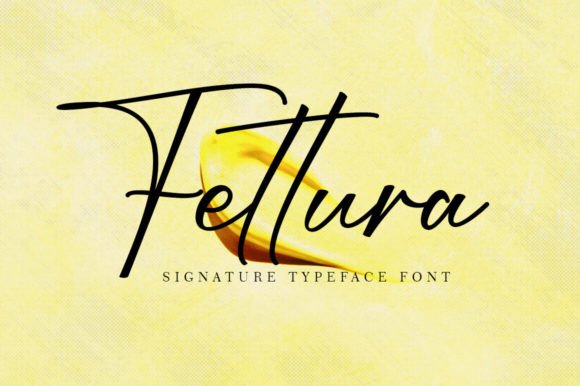
Fettura is a dazzling script font. This font is neatly crafted and highly detailed. Whatever the topic, this font will be a wonderful asset to your font library, as it has the potential to enhance any creation. But why does a single font matter so much? The answer lies in the nuances of modern design workflows, where every pixel counts, and the difference between a good design and a great one often comes down to typographic hierarchy and emotional resonance.
The Evolution of Script Typography in Modern Design
Script fonts have long held a place of reverence in typography. From the handwritten notes of the Renaissance to the elegant signage of the Victorian era, scripts have always communicated sophistication, tradition, and personal touch. However, the internet age initially posed a challenge for these typefaces. On low-resolution screens, intricate serifs and flowing ligatures could break down, leading designers to favor clean, legible sans-serifs like Helvetica or Arial.
That era is over. With the advent of high-DPI displays (Retina screens, 4K monitors) and advanced web font technologies like WOFF2, the technical barriers to using complex scripts have vanished. Today, designers can render fine details without compromising load times or clarity. This technological leap has sparked a renaissance in script usage, but with a caveat: quality matters more than ever.
Many script fonts available online are poorly constructed, lacking proper kerning, awkward ligatures, or inconsistent stroke weights. These fonts can make a brand look amateurish rather than artistic. This is where Fettura distinguishes itself. Its neat craftsmanship ensures that even at smaller sizes, the elegance remains intact. The high level of detail is not gratuitous; it serves to guide the eye and create a sense of luxury and care in the final output.
What Makes Fettura Stand Out?
To understand the value of Fettura, we must look beyond its surface beauty. A "dazzling" font might sound like marketing hyperbole, but in practice, it refers to a typeface that captures attention without demanding excessive cognitive effort. Fettura achieves this balance through several key characteristics:
- Neat Craftsmanship: The letters are structured with precision. There is no ambiguity in the forms. This neatness allows the font to remain legible even when used in dynamic layouts or paired with busy backgrounds.
- High Detail: The flourishes and terminal strokes are carefully calculated. This attention to detail signals quality to the viewer’s subconscious. When a user sees a well-crafted font, they subconsciously associate the brand or message with professionalism and attention to detail.
- Versatility: Despite its ornate nature, Fettura is not limited to wedding invitations or luxury branding. Its adaptability makes it suitable for a wide range of applications, from editorial headers to social media graphics and product packaging.
This versatility is crucial for creators who need to maintain a cohesive visual identity across multiple platforms. Having a font that can transition smoothly from a digital ad to a printed brochure saves time and reduces the risk of disjointed branding.
Practical Applications for Professionals and Creators
For freelancers, marketers, and business owners, typography is a silent salesperson. Here is how Fettura can be integrated into various professional workflows to enhance impact.
Branding and Identity
When building a brand identity, the choice of typeface sets the tone. For brands in the beauty, fashion, culinary, or artisanal sectors, Fettura offers an immediate sense of premium quality. Imagine a boutique hotel website using Fettura for its main headlines. The font conveys warmth and exclusivity before the user even reads the copy. It suggests that the experience offered is curated and thoughtful.
However, restraint is key. Use Fettura for headlines, logos, or short taglines. Pair it with a neutral, highly readable sans-serif for body text. This contrast creates visual interest while ensuring accessibility. Overusing a script font can lead to visual fatigue, reducing readability and engagement.
Social Media Content
In the fast-paced world of social media, stopping the scroll is the primary objective. Eye-catching visuals combined with compelling typography can significantly increase click-through rates. Fettura’s dazzling nature makes it ideal for quote graphics, event announcements, or promotional banners. Because it is highly detailed, it stands out against solid color backgrounds or simple patterns, drawing the eye immediately to the message.
For bloggers and content creators, using Fettura in featured images can help establish a unique visual signature. In a feed filled with generic templates, a custom-designed graphic featuring a well-chosen script font can signal that the content is worth pausing for.
Editorial and Print Design
Despite the dominance of digital media, print still holds significant power, particularly for portfolios, magazines, and direct mail campaigns. Fettura shines in print due to its ability to leverage high-resolution output. The fine details that might get lost on a screen become crisp and clear on paper. This tactile quality enhances the perceived value of the printed material, making it more likely to be kept or shared.
Integrating Fettura into Your Workflow
Adding Fettura to your font library is a small step with potentially large returns. However, effective integration requires understanding best practices. Here are some recommendations for getting the most out of this typeface:
- Pairing Strategy: As mentioned, pair Fettura with simple, geometric sans-serifs. Avoid pairing it with other scripts or serif fonts, as this can create clutter. The goal is to let Fetta be the star while the supporting font provides structure.
- Whitespace is Your Friend: Script fonts often have irregular shapes and varying widths. Give them room to breathe. Ample whitespace around Fettura allows the eye to appreciate its details without feeling overwhelmed.
- Color and Contrast: Use Fettura in colors that complement its elegance. Deep blacks, rich golds, or muted pastels can enhance its dazzle. Ensure sufficient contrast between the text and background to maintain readability.
- Contextual Relevance: While Fettura is versatile, it is not appropriate for all contexts. Avoid using it for legal documents, technical manuals, or any content requiring strict neutrality. Reserve it for creative, emotional, or premium contexts.
The Future of Personalized Design
We are entering an era where personalization is expected. Users want brands to speak their language, visually and verbally. Generic templates are becoming less effective because they fail to convey uniqueness. Fonts like Fettura offer a way to inject personality into designs without resorting to clichés.
As AI-generated content becomes more common, human-centric design elements will become even more valuable. A meticulously crafted font like Fettura represents human skill and intentionality. It reminds viewers that there is a person behind the brand, caring about the details. This human touch fosters trust and connection, which are essential for long-term success in any industry.
Conclusion
In the crowded marketplace of digital and physical media, standing out requires more than just a good idea. It requires execution. Typography is one of the most powerful tools in a designer’s arsenal, capable of setting mood, guiding attention, and reinforcing brand values. Fettura, with its dazzling script style, neat craftsmanship, and high level of detail, offers a compelling solution for those looking to elevate their work.
Whether you are a seasoned graphic designer updating your toolkit, a small business owner creating your first logo, or a blogger seeking to refine your visual identity, Fettura is a wonderful asset to your font library. It has the potential to enhance any creation, adding a layer of sophistication and charm that resonates with modern audiences. By incorporating Fettura thoughtfully into your projects, you are not just choosing a font; you are choosing to communicate with clarity, elegance, and purpose.
Take the time to experiment with Fettura. Test it in different sizes, pairings, and contexts. You may find that this seemingly small addition transforms the overall feel of your work, turning ordinary designs into extraordinary experiences. In a world that demands attention, let your typography do the talking.