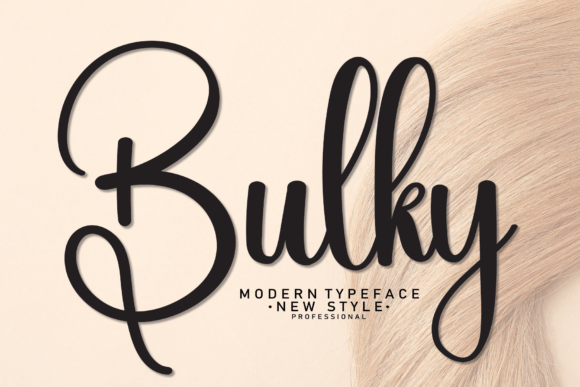
Bulky: The Strategic Value of Weight in Design and Communication
In a digital landscape dominated by pixel-perfect minimalism and sans-serif uniformity, the choice of typography is rarely just aesthetic; it is deeply psychological. When designers, brand strategists, and content creators discuss Bulky, they are often referring to typefaces that embody significant visual weight, character, and presence. This font family—often characterized by its generous proportions, rounded terminals, and distinctively heavy stroke widths—is not merely a decorative afterthought. It is a strategic tool for commanding attention, conveying warmth, and establishing authority without shouting.
The premise that "Bulky feels equally charming and elegant" speaks to a nuanced understanding of design psychology. Charm suggests approachability and human connection, while elegance implies refinement and quality. Achieving this balance requires intentionality. For entrepreneurs, marketers, and educators, understanding how to deploy such a typeface can significantly influence how their message is received, trusted, and remembered.
Understanding the Psychology of Visual Weight
Before integrating Bulky into any project, it is essential to understand what it communicates. In typography, "weight" refers to the thickness of the strokes. Heavy weights like Bulky create a sense of stability, confidence, and substance. They anchor a design. However, unlike rigid geometric fonts that can feel cold or corporate, Bulky’s organic curves soften that authority, introducing an element of friendliness.
This duality makes it exceptionally versatile for brands seeking to position themselves as both reliable and relatable. Consider the following strategic applications:
- Trust Building: In financial services or legal consulting, a heavy serif or slab serif can signal stability. Bulky offers a modern twist on this tradition, suggesting strength without rigidity.
- Emotional Connection: For lifestyle brands, bakeries, or educational platforms, the "charming" aspect of Bulky invites engagement. It feels handcrafted, which resonates with audiences tired of sterile, automated aesthetics.
- Brand Recall: Distinctive typefaces create stronger memory hooks. A logo set in Bulky stands out in a feed cluttered with thin, delicate scripts, ensuring higher visibility and recall rates.
Strategic Applications Across Media
The versatility of Bulky lies in its ability to adapt to various formats while maintaining its core identity. Here is how different professionals can leverage its characteristics for specific outcomes.
Wedding Invitations and Personal Stationery
For event planners and individuals designing wedding invitations, the goal is often to convey romance and sophistication. Bulky provides a striking contrast when paired with lighter, more delicate script fonts. Using Bulky for the names of the couple or the date creates a focal point that draws the eye immediately. The "elegant" descriptor here is key; it avoids the kitsch associated with overly cursive scripts by grounding the design in solid, readable structure.
When used on thank you cards or greeting cards, Bulky adds a layer of sincerity. The weight of the letters mimics the physical act of stamping or pressing a seal, implying effort and care. In an era of digital communication, receiving a card with substantial, well-chosen typography signals that the sender invested time and thought, enhancing the perceived value of the gesture.
Logos and Brand Identity
For small business owners and startups, a logo must work at multiple sizes and contexts. Bulky is particularly effective for wordmarks where readability and impact are paramount. Its bold nature ensures legibility even at small scales, such as on social media avatars or mobile app icons.
However, strategic use demands restraint. Because Bulky is visually dominant, it should typically be the hero of the typographic hierarchy. Pairing it with neutral backgrounds or complementary minimalist elements allows the font to shine without overwhelming the viewer. This approach supports long-term branding goals by creating a memorable asset that does not rely on fleeting trends.
Business Cards and Professional Materials
In competitive markets, first impressions are formed in seconds. A business card featuring Bulky can differentiate a freelancer or consultant from the crowd. It suggests confidence and clarity of purpose. For creatives, using Bulky for their name or title conveys a strong personal brand. For educators or coaches, it projects expertise and groundedness.
To maximize effectiveness, consider the layout. Negative space becomes crucial. Allowing ample room around Bulky text prevents the design from feeling cramped, reinforcing the "elegant" quality mentioned earlier. This deliberate spacing communicates professionalism and respect for the reader’s experience.
Planning and Decision-Making: When to Use Bulky
Adopting a specific typeface is a decision that impacts user experience (UX) and brand perception. Therefore, it should be approached with clear objectives rather than arbitrary preference. Before committing to Bulky for a project, ask the following strategic questions:
- What is the primary emotion we want to evoke? If the goal is urgency or high-energy promotion, Bulky might be too slow and contemplative. If the goal is trust, warmth, or established presence, it is an excellent fit.
- Who is our audience? While Bulky appeals broadly, its "handwritten touch" may resonate more strongly with demographics that value authenticity, such as millennials and Gen Z consumers who prefer brands with human-centric values.
- How will it scale? Test Bulky in various contexts. Does it remain readable on a smartphone screen? Does it look balanced on a large banner? Ensuring technical viability prevents costly redesigns later.
Avoiding Common Pitfalls
One risk of using Bulky is overuse. Because of its visual weight, paragraph text set entirely in Bulky can become fatiguing to read. It lacks the subtle rhythm and flow required for long-form content. Strategic practitioners reserve Bulky for headlines, quotes, logos, and short call-to-action buttons.
Another consideration is pairing. Bulky needs a partner. It pairs exceptionally well with light sans-serifs or classic serifs. The contrast between heavy and light creates visual interest and guides the reader’s eye through the content hierarchy. Without this contrast, designs can appear monotonous or unbalanced.
Enhancing Creativity and Productivity Through Intentional Design
For bloggers, publishers, and content creators, typography is part of the storytelling process. Using Bulky strategically can break up dense text and highlight key insights. For example, pulling out a powerful quote from an article and setting it in Bulky emphasizes its importance, encouraging readers to pause and reflect. This technique enhances comprehension and retention, directly supporting the creator’s goal of educating or inspiring their audience.
In marketing campaigns, Bulky can serve as a unifying visual element across channels. Whether on email headers, social media graphics, or printed flyers, consistent use of Bulky reinforces brand recognition. This consistency reduces cognitive load for the consumer, making the brand feel more familiar and trustworthy over time.
Long-Term Results and Brand Equity
Investing time in selecting the right typeface like Bulky contributes to long-term brand equity. Trends come and go, but principles of good design—clarity, harmony, and appropriate weight—endure. By choosing a font that balances charm and elegance, businesses build a visual identity that feels both timeless and contemporary.
Furthermore, thoughtful design decisions improve customer experience. Users subconsciously associate well-designed materials with high-quality products or services. A sloppy or mismatched font choice can undermine credibility, whereas a cohesive use of Bulky signals attention to detail. This attention to detail fosters loyalty, as customers appreciate the care taken in every interaction touchpoint.
Conclusion: Making Intentional Choices
Bulky is more than just a font; it is a communication tool that bridges the gap between authority and approachability. For adults aged 20–50 navigating complex professional and personal landscapes, the ability to communicate effectively is paramount. Leveraging Bulky’s unique characteristics can enhance that communication, whether on a wedding invitation, a business card, or a digital logo.
The key lies in intentionality. Understand the weight you wish to carry, the warmth you wish to convey, and the elegance you wish to project. Plan your usage carefully, pair it wisely, and respect its limitations. By doing so, you transform Bulky from a mere stylistic choice into a strategic asset that supports your goals, strengthens your brand, and delivers lasting results.
As you move forward with your next design project, remember that every letter carries meaning. Choose yours with care, and let Bulky help you make a statement that is both heard and felt.