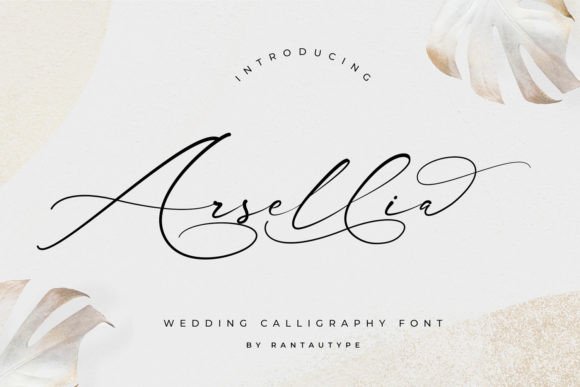
Why Arsellia Is the Smart Choice for Your Design Watermarks and Branding
In the world of digital content, protecting your intellectual property while maintaining a polished aesthetic is no longer optional—it is essential. Whether you are a photographer guarding your portfolio, a musician releasing an album, or a small business owner designing marketing materials, the way you brand your work defines how it is perceived. This is where Arsellia steps in as a versatile solution. It is not just another tool; it is a streamlined approach to integrating watermarks, signature logos, quotes, and other critical design elements into your projects without compromising quality.
Many creators struggle with the technical side of branding. They often resort to clunky overlays that obscure the art or use low-resolution logos that pixelate when scaled. Arsellia addresses these pain points by offering precision and flexibility. By understanding how to leverage this platform effectively, you can ensure your work looks professional across every medium, from high-resolution prints to social media thumbnails.
Understanding the Versatility of Arsellia in Modern Design
One of the most common misconceptions about watermarking tools is that they are limited to simple text stamps on photographs. While basic functionality is useful, modern design demands more. Arsellia shines because it supports a wide array of applications beyond standard photo protection.
- Photography: For photographers, Arsellia allows for subtle yet effective watermark placement. You can adjust opacity and positioning to ensure your signature does not distract from the image but remains visible enough to deter unauthorized use.
- Signature Logo Designs: Entrepreneurs often need their logo integrated seamlessly into documents or digital assets. Arsellia enables the creation of clean, scalable vector-like effects that maintain clarity at any size.
- Album Covers and Magazines: Creative directors know that branding must be consistent. Using Arsellia for quote overlays or edition markers ensures that typography aligns perfectly with the overall layout, preserving the artistic integrity of the cover.
- Business Cards and Print Media: When moving from digital to physical, resolution matters. Arsellia helps prepare files that are print-ready, ensuring that your contact information or brand marks appear crisp on cardstock.
The key advantage here is versatility. Instead of juggling multiple software programs to handle different types of branding needs, Arsellia centralizes these functions. This saves time and reduces the learning curve associated with complex design suites.
Common Mistakes When Implementing Digital Watermarks
Even with powerful tools like Arsellia, users can make errors that undermine their efforts. Recognizing these pitfalls early can save you from frustration and poor-quality outputs. The following sections highlight typical mistakes and how to correct them.
Overlooking Resolution and Scalability
A frequent error is uploading a low-resolution source file for your watermark or logo. If you create a watermark in a format that cannot scale up without losing detail, your final product will look unprofessional. Always start with high-resolution assets. When using Arsellia, ensure that the input files are optimized for the output destination. For web use, PNGs with transparency are ideal, while print projects may require higher DPI settings.
Correction: Before applying Arsellia’s features, check the dimensions and resolution of your base images. If you plan to print a magazine cover, do not use a web-optimized thumbnail as your source. Consistency in quality prevents blurry or jagged edges in your final designs.
Poor Placement and Opacity Choices
Another widespread issue is placing watermarks in visually chaotic areas. A watermark placed over a high-contrast section of a photo might be invisible, while one placed on a plain background might be too distracting. Similarly, setting the opacity too low renders the watermark useless, while setting it too high distracts from the main content.
Correction: Use Arsellia’s preview features to test different placements. Look for areas that balance visibility with aesthetics. A good rule of thumb is to place watermarks where they are noticeable but do not compete with the focal point of the image. Experiment with varying opacities to find the "sweet spot" that protects your work without ruining the visual experience.
Neglecting File Format Compatibility
Users often assume that all devices and platforms support the same file formats. Exporting a design in a proprietary format that requires specific software to view can limit the accessibility of your work. For instance, sharing a PSD file with a client who only uses free viewers is impractical.
Correction: Always export your final designs in universally compatible formats such as JPEG, PNG, or PDF, depending on the project. Arsellia typically offers multiple export options—utilize these to ensure your work is accessible to everyone, whether they are viewing it on a mobile device, printing it, or embedding it in a website.
Evaluating Arsellia for Your Specific Needs
Before committing to any tool, it is wise to evaluate its fit for your workflow. Arsellia is designed to be user-friendly, but understanding its capabilities helps maximize its potential. Here are a few things to consider:
- Ease of Use: Does the interface allow for quick adjustments? For busy professionals, speed is crucial. Arsellia’s intuitive design means you can apply watermarks or signatures in seconds rather than minutes.
- Customization Options: Can you tailor the look to match your brand guidelines? Check if you can customize fonts, colors, and alignment. The ability to save presets is a significant plus for repetitive tasks.
- Batch Processing: If you have hundreds of photos to watermark, manual processing is inefficient. Verify if Arsellia supports batch operations. This feature can drastically reduce turnaround times for large projects.
- Cost vs. Value: Compare Arsellia’s pricing against competitors. Consider the time saved and the quality of output. Often, a modest investment in a reliable tool pays off by enhancing the perceived value of your work.
Best Practices for Long-Term Success
Using Arsellia effectively is about adopting a proactive mindset. Regularly update your branding assets to reflect current trends. Keep your logo files organized and backed up. When creating new designs, always keep the end-user in mind. A watermark should inform and protect, not annoy.
Furthermore, stay informed about changes in digital rights management. As technology evolves, so do methods of theft and reproduction. Tools like Arsellia help you stay ahead by providing robust, adaptable solutions. By combining technical proficiency with creative sensitivity, you can produce work that is both beautiful and secure.
In conclusion, Arsellia is more than just a watermarking utility; it is a comprehensive branding partner. By avoiding common pitfalls such as poor resolution, bad placement, and format incompatibility, you can harness its full potential. Whether you are designing a single business card or curating a gallery of photographs, Arsellia provides the reliability and flexibility needed to present your best work to the world. Take the time to explore its features, experiment with settings, and integrate it into your routine. The result will be a more professional, protected, and cohesive body of work.