Unlocking Elegance: Why Flavinda and Flavinda Soltera Are the Perfect Handwritten Fonts for Your Creative Projects
In the vast landscape of digital design, typography is not merely a vehicle for text; it is the voice of your brand, the mood setter for your event, and the emotional connector with your audience. When you need to convey intimacy, sophistication, or a personal touch, standard sans-serif or serif fonts often fall flat. This is where Flavinda and its delicate counterpart, Flavinda Soltera, step into the spotlight. These beautiful and dainty handwritten fonts have become go-to resources for designers, wedding planners, and content creators seeking to add a layer of grace and authenticity to their work.
But what exactly makes these typefaces stand out? How do they differ from one another, and more importantly, how can you leverage their unique characteristics to elevate your projects? In this guide, we will explore the nuances of Flavinda and Flavinda Soltera, breaking down their aesthetic appeal, practical applications, and the psychological impact they have on viewers.
The Art of the Handwritten Font
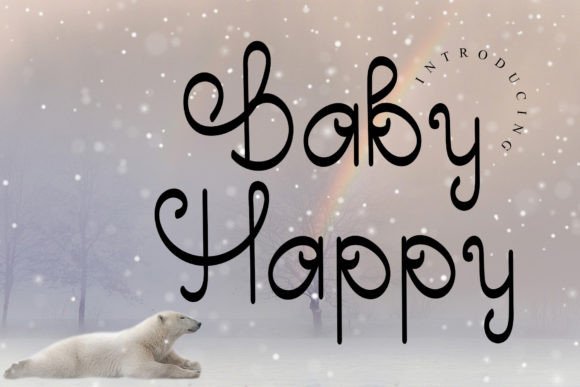
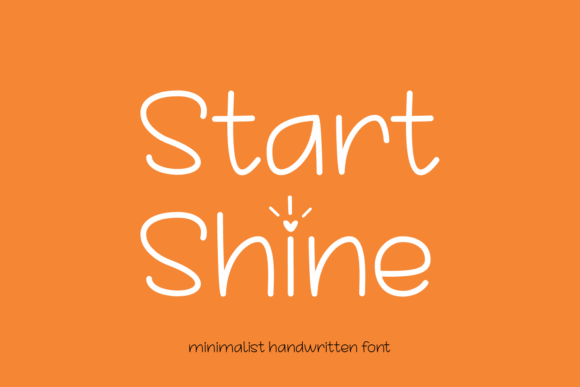
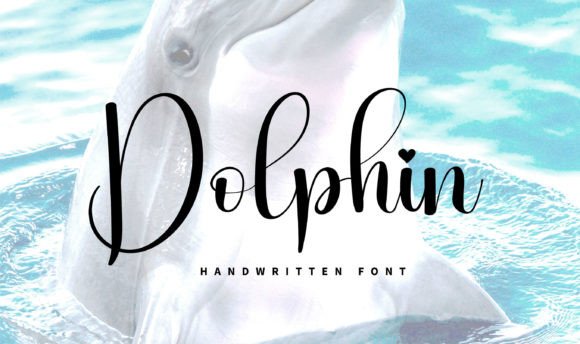
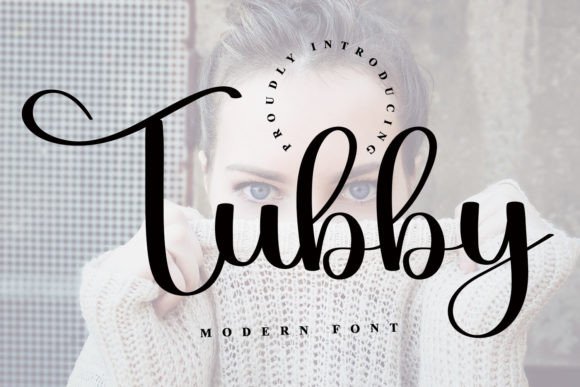
Before diving into specific font families, it is essential to understand why handwritten fonts have seen a resurgence in modern design. In an era dominated by clean lines and minimalist interfaces, handwritten typography offers a necessary counterpoint: humanity. It mimics the imperfections and fluidity of human handwriting, creating an immediate sense of connection and trust.
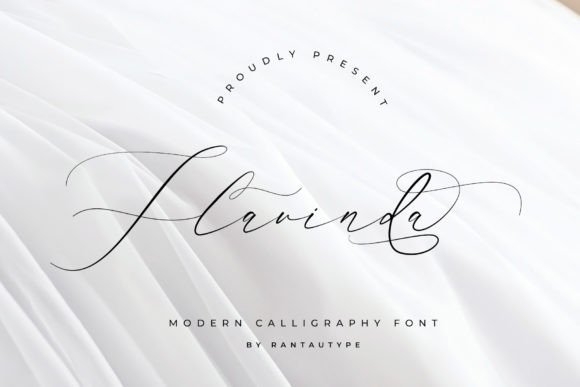
Flavinda embodies this philosophy perfectly. It is designed to look like it was written with a fine-liner pen or a calligraphy brush, yet it maintains the legibility required for digital use. The strokes are smooth, the curves are elegant, and the overall weight is light, giving it a "dainty" quality that feels both fragile and strong. This balance is crucial. A font that is too messy becomes unreadable; a font that is too rigid loses its charm. Flavinda hits the sweet spot, offering readability without sacrificing artistic flair.
Distinguishing Flavinda from Flavinda Soltera
While both fonts share the same family DNA, they serve slightly different purposes. Understanding the distinction between Flavinda and Flavinda Soltera is key to using them effectively.
- Flavinda: This is the primary script. It features connected letters (ligatures) that flow seamlessly from one character to the next. It is ideal for headlines, short phrases, or any text where you want to emphasize continuity and elegance. Think of it as the signature at the bottom of a love letter—personal, flowing, and distinct.
- Flavinda Soltera: The term "Soltera" translates to "single" or "unmarried," implying individuality. In typographic terms, this version features disconnected letters. Each character stands alone, lacking the connecting swashes of the main Flavinda font. This makes it significantly easier to read over longer passages while still retaining the handwritten aesthetic. It is perfect for body text in invitations or social media captions where clarity is paramount.
Practical Applications in Design
So, where should you use these fonts? Their versatility allows them to fit into a wide array of creative endeavors. Let’s explore some of the most common and effective use cases.
Wedding Invitations and Stationery
If there is one industry that relies heavily on elegant typography, it is the wedding sector. Couples spend countless hours choosing fonts that reflect their personality and the tone of their celebration. Flavinda and Flavinda Soltera are natural fits for wedding branding.
Imagine a wedding invitation suite. You might use Flavinda for the couple’s names at the top of the card, allowing the sweeping curves to draw the eye immediately. Then, switch to Flavinda Soltera for the details—the date, time, and venue. This combination provides visual hierarchy while maintaining a cohesive, romantic theme. The dainty nature of the font suggests delicacy and care, qualities that resonate deeply with couples planning their special day.
Branding and Logo Design
For small businesses, especially those in the beauty, fashion, or artisanal food sectors, a handwritten logo can communicate craftsmanship and personal attention. Brands like boutique bakeries, skincare lines, or independent florists often choose scripts to appear approachable and high-end simultaneously.
Using Flavinda as a logo font can give a brand a bespoke feel. However, because it is a script, it works best for shorter brand names. If your business name is long, consider using Flavinda Soltera for the subtext or tagline to ensure the message remains clear. Remember, a logo must be recognizable at various sizes, so test your chosen font in small dimensions to ensure the "dainty" details don’t get lost.
Social Media and Digital Content
In the fast-paced world of Instagram and Pinterest, aesthetics drive engagement. Quotes, motivational posts, and product announcements often benefit from a touch of handwritten style to break up the monotony of plain text overlays.
When designing graphics for social media, Flavinda Soltera is particularly useful for overlaying text on images. Because the letters are disconnected, it tends to be more legible against busy backgrounds than fully connected scripts. Use it for quote cards, recipe headers, or travel diaries. The font’s light weight ensures it doesn’t overpower the image but rather complements it, adding a layer of polish and intentionality to your feed.
Best Practices for Using Handwritten Fonts
While Flavinda and Flavinda Soltera are versatile, misusing them can lead to poor design outcomes. Here are some expert tips to ensure you get the most out of these typefaces.
- Pairing is Key: Never pair two handwritten fonts together unless they are specifically designed to complement each other. Instead, pair Flavinda or Flavinda Soltera with a simple, neutral sans-serif or serif font. For example, use a bold sans-serif for supporting text and let the handwritten font shine as the headline. This contrast creates balance and prevents the design from feeling chaotic.
- Watch the Spacing: Handwritten fonts often require generous tracking (letter spacing). Tight spacing can make the delicate strokes clump together, reducing readability. Give the letters room to breathe, especially when using Flavinda Soltera.
- Limit Usage: As a general rule of thumb, handwritten fonts should be used sparingly. They are best suited for headings, titles, and short quotes. Avoid using them for long paragraphs of body copy, as they can cause eye strain and fatigue for the reader.
- Consider the Background: Due to their thin and dainty nature, these fonts may struggle to show up on light-colored or busy backgrounds. Always ensure sufficient contrast. Dark text on a light background, or light text on a dark background, works best. If your background is complex, consider adding a subtle shadow or a semi-transparent overlay behind the text.
Common Misconceptions About Script Fonts
There is a common misconception that all script fonts are difficult to read or inappropriate for professional settings. This is simply not true. Fonts like Flavinda are designed with accessibility in mind. While they mimic handwriting, they are constructed with precise geometric principles to ensure consistency and legibility.
Another myth is that handwritten fonts lack professionalism. On the contrary, in industries like luxury goods, hospitality, and creative arts, a well-chosen script font signals attention to detail and a commitment to artistry. It shows that you care about the nuances of presentation. The key is context. A handwritten font might not be suitable for a legal document, but it is perfect for a restaurant menu, a boutique hotel brochure, or a creative agency portfolio.
Conclusion
Incorporating Flavinda and Flavinda Soltera into your design toolkit opens up a world of creative possibilities. Whether you are crafting a wedding invitation that tells a love story, designing a logo that defines a brand’s identity, or creating social media content that engages your followers, these fonts offer the elegance and personality needed to stand out.
Remember, typography is a form of communication. By choosing a font that aligns with the emotion and intent of your message, you create a deeper connection with your audience. So, the next time you sit down to design, consider the power of the handwritten word. With Flavinda and Flavinda Soltera, you don’t just write text; you craft an experience.
Explore these fonts today, experiment with different pairings, and discover how a little bit of dainty elegance can transform your projects from ordinary to extraordinary.