Monolight Font Evaluation
In the realm of digital and print design, typography serves as the backbone of visual communication. It dictates readability, sets the tone, and influences user perception before a single word is processed semantically. Among the myriad of typefaces available to designers, Monolight has emerged as a notable option for those seeking a clean, modern aesthetic. Described as a fresh and beautiful font, Monolight is frequently recommended for a variety of design applications, ranging from YouTube banners and cover logos to wedding invitations and ID cards. This evaluation explores the characteristics, use cases, benefits, and potential limitations of Monolight to help designers determine if it aligns with their specific project requirements.
Understanding Monolight: Design Characteristics
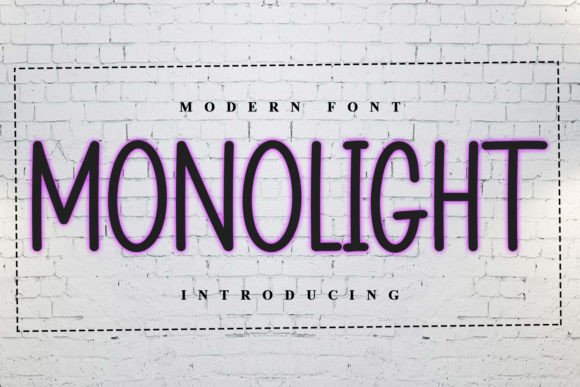
Monolight is categorized within the sans-serif family, a choice that immediately signals its suitability for contemporary and minimalist designs. The term "monolight" suggests a uniformity in stroke weight and a lightness in visual density. This typographic structure typically results in a typeface that feels airy, open, and uncluttered. Unlike heavy slab serifs or intricate script fonts, Monolight relies on simplicity and clarity.
The "fresh" descriptor often associated with this font stems from its geometric precision and lack of unnecessary ornamentation. In an era where screen real estate is limited and attention spans are short, fonts that convey information quickly and elegantly are highly valued. Monolight’s light weight allows it to blend seamlessly into backgrounds while still maintaining legibility, making it a versatile tool for designers who prioritize whitespace and negative space in their compositions.
Primary Use Cases and Applications
One of the strongest arguments for adopting Monolight is its versatility across different media formats. Its clean lines adapt well to both digital interfaces and physical print materials. Below are several key areas where this font demonstrates particular strength:
- Digital Branding and Social Media: For content creators, particularly YouTubers and influencers, the banner and thumbnail are critical first impressions. Monolight’s modern look helps establish a professional yet approachable brand identity. Its legibility at various sizes ensures that channel names and video titles remain readable on mobile devices and desktop screens alike.
- Event Stationery and Invitations: Weddings and formal events often require a balance of elegance and readability. Monolight can serve as an excellent header font for wedding invitations, offering a sophisticated touch without the formality of traditional calligraphy. When paired with a more decorative script for names, the sans-serif body text provided by Monolight ensures that logistical details (date, time, location) are easily understood by guests.
- ID Cards and Corporate Identity: Identification badges require high legibility for security and administrative purposes. The clear distinction between characters in Monolight makes it suitable for printing names and titles on ID cards. Furthermore, its neutral tone fits well within corporate environments that value a streamlined, no-nonsense aesthetic.
- Flyers and Promotional Materials: In flyer design, hierarchy is paramount. Monolight works well for subheadings and bullet points, guiding the viewer’s eye through the information structure. Its light weight prevents the design from feeling too heavy or aggressive, which is beneficial for lifestyle, wellness, or creative industry marketing materials.
- Crafts and DIY Projects: For crafters using cutting machines like Cricut or Silhouette, Monolight’s simple vector shapes translate well to vinyl, paper, and fabric. The lack of fine serifs reduces the risk of tearing or peeling during the weeding process, making it a practical choice for handmade signs, t-shirts, and decals.
Benefits and Advantages
When evaluating Monolight, several distinct advantages stand out. First, its versatility allows designers to use it across multiple platforms without breaking visual consistency. A brand that uses Monolight on its website can confidently use it on business cards and social media graphics, creating a cohesive visual language.
Second, the font promotes readability. In an age of information overload, clear typography reduces cognitive load for the reader. Monolight’s open counters (the spaces inside letters like 'e' or 'a') and consistent stroke widths contribute to smooth reading experiences, especially in smaller sizes.
Third, there is the aspect of modernity. Sans-serif fonts are generally perceived as forward-thinking and efficient. By choosing Monolight, designers signal that their brand or project is current and relevant. This is particularly important for tech startups, creative agencies, and modern retail brands.
Tradeoffs and Considerations
While Monolight offers many benefits, it is not a universal solution. Designers must consider certain tradeoffs before committing to it for a major project.
Limited Weight Options: As the name implies, Monolight is likely optimized for lighter weights. If a design requires bold emphasis or strong contrast, relying solely on Monolight may be challenging. Designers should check if the font family includes heavier variants (such as Medium, Bold, or Black). If not, pairing Monolight with a contrasting font family might be necessary to create visual hierarchy.
Legibility in Extremes: Very light fonts can struggle in low-contrast situations. For example, using a light gray Monolight on a white background may result in poor visibility. Additionally, when scaled down to very small sizes, such as in footnotes or tiny labels, the thin strokes may disappear or become jagged. Testing the font at actual output sizes is crucial.
Tone Appropriateness: Monolight’s clean, minimal aesthetic may feel too sterile or cold for projects requiring warmth, tradition, or playfulness. For instance, a bakery specializing in rustic, homemade goods might find Monolight too clinical. In such cases, a serif or handwritten font would better communicate the desired brand personality.
Decision-Making Insights: Is Monolight Right for You?
To determine whether Monolight is the correct choice, designers should evaluate their specific goals against the font’s characteristics. Ask the following questions:
- What is the primary medium? If the design is primarily digital or involves crisp print outputs like ID cards and flyers, Monolight is a strong candidate. If the medium involves textured surfaces like rough paper or fabric, ensure the light weight will reproduce clearly.
- What is the desired emotional response? If you want to evoke feelings of clarity, efficiency, and modernity, Monolight aligns well. If you need to convey heritage, luxury, or whimsy, consider alternatives.
- How will it be paired? Evaluate how Monolight interacts with other elements. Does it complement your existing color palette? Will it clash with images or icons? Good typography enhances the overall composition rather than competing with it.
- Are accessibility standards a priority? For public-facing documents, ensure that the font size and contrast ratios meet WCAG (Web Content Accessibility Guidelines) standards. Light fonts often require larger sizes or darker colors to remain accessible to all users.
Alternatives to Consider
If Monolight does not fully meet your needs, several alternative fonts offer similar qualities with different nuances. Helvetica Now provides a more robust and comprehensive family with extensive weight options, though it comes at a higher cost. Open Sans is a free, highly readable option that is widely used on the web due to its friendly and neutral appearance. For those seeking a more elegant, high-contrast look, Garamond or Bodoni might be preferable, though they belong to the serif category and carry a different historical weight.
Conclusion
Monolight represents a solid choice for designers looking to incorporate a fresh, clean, and modern aesthetic into their work. Its suitability for a wide range of applications—from digital banners to physical crafts—makes it a valuable addition to any toolkit. However, success with this font depends on careful application. Designers must be mindful of contrast, scale, and tonal appropriateness. By understanding both the strengths and limitations of Monolight, you can make informed decisions that enhance your design’s effectiveness and visual appeal. Whether you are building a brand identity from scratch or refreshing an existing one, testing Monolight in context is the best way to verify its fit for your specific creative goals.