Staycation Font Evaluation
In the landscape of digital typography, selecting the right typeface is a critical decision that influences readability, brand perception, and overall aesthetic cohesion. Staycation has emerged as a distinctive option for designers seeking a balance between traditional elegance and modern sensibility. Marketed as an exquisite handwritten font, it claims to offer a masterful design that serves as a true favorite for various creative projects. This evaluation explores the characteristics, applications, benefits, and potential limitations of Staycation to help designers determine if it aligns with their specific typographic needs.
Understanding Staycation’s Design Philosophy
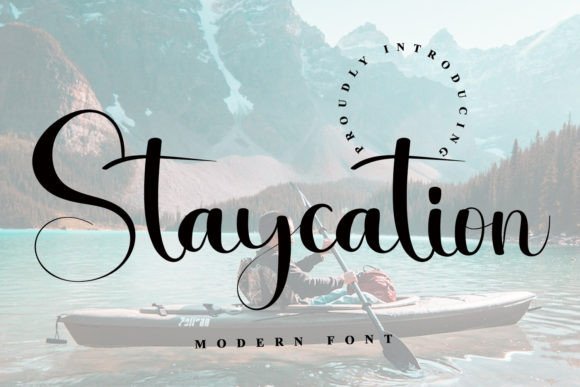
Staycation is categorized primarily as a handwritten or script typeface. Its design narrative emphasizes a duality: it maintains classy calligraphic influences while feeling contemporary and fresh. This hybrid approach suggests that the font draws inspiration from traditional penmanship—likely featuring variable stroke widths, organic curves, and fluid connections—but filters them through a modern lens to ensure legibility and relevance in current design trends.
The term "exquisite" often implies a high level of detail and refinement in the letterforms. For a handwritten font, this typically means careful attention to kerning, baseline alignment, and the natural flow of ink. The goal of such a design is to evoke a sense of personal touch and authenticity, qualities that are increasingly valued in branding where human connection is paramount. By positioning itself as a tool to bring projects to "the highest levels," the font targets designers who prioritize sophistication and visual impact.
Key Characteristics and Visual Appeal
- Calligraphic Roots: The font retains the structural integrity of classic calligraphy, offering a sense of history and craftsmanship. This makes it suitable for contexts requiring a touch of formality or tradition.
- Contemporary Edge: Despite its classical influences, the design avoids looking archaic. The "fresh" quality likely stems from simplified forms or adjusted proportions that prevent the text from appearing cluttered on screens.
- Handwritten Authenticity: As a script font, it mimics the irregularities and nuances of human handwriting, adding warmth and personality to static text.
These features combine to create a versatile asset that can elevate logos, invitations, and editorial layouts. However, the effectiveness of these characteristics depends heavily on proper implementation and context.
Use Cases and Ideal Applications
Staycation is best suited for projects where emotional resonance and aesthetic appeal take precedence over dense information delivery. Its strengths lie in display typography rather than body copy.
Branding and Identity
For brands aiming to convey luxury, intimacy, or artisanal quality, Staycation can serve as a powerful logo or wordmark component. Industries such as hospitality, weddings, fashion, and gourmet food often benefit from the sophisticated yet approachable vibe of a refined script. The font’s ability to feel both "classy" and "contemporary" allows it to bridge the gap between heritage and innovation.
Editorial and Print Media
In magazines, brochures, and packaging, Staycation can be used effectively for headlines, pull quotes, and section dividers. The handwritten style adds a layer of engagement, drawing the reader’s eye and breaking up blocks of sans-serif or serif body text. It works particularly well in lifestyle publications where tone and mood are central to the content.
Digital Accents
While not recommended for long-form web reading, Staycation can enhance user interfaces when used sparingly. Buttons, banners, and social media graphics can leverage its visual weight to create memorable moments within a digital experience.
Benefits of Choosing Staycation
Selecting a specialized font like Staycation offers several strategic advantages for designers and clients alike.
- Distinctive Brand Voice: In a saturated market, a unique typeface helps differentiate a brand. Staycation’s blend of old-world charm and modern freshness provides a recognizable visual signature.
- Emotional Connection: Handwritten fonts inherently suggest a human hand behind the message. This can foster trust and relatability, which is crucial for businesses focusing on customer relationships.
- Versatility within Constraints: While scripts are often limited in use, a well-designed one like Staycation can work across various mediums, from print to screen, provided it is applied correctly.
Tradeoffs and Considerations
No typeface is without its challenges. Understanding the limitations of Staycation is essential for making an informed decision.
Legibility and Readability
Script fonts are generally less readable than sans-serif or slab-serif alternatives, especially at small sizes or in low-resolution environments. Using Staycation for paragraphs of text will likely hinder comprehension and cause eye strain. Designers must reserve it for short phrases, titles, or decorative elements.
Kerning and Spacing
Handwritten fonts require meticulous attention to spacing. Poor kerning can make even a beautiful font look messy or unprofessional. Designers need to be proficient in adjusting character pairs to ensure smooth visual flow.
Contextual Appropriateness
The informal yet elegant nature of Staycation may not suit all industries. Corporate finance, legal services, or technical documentation might find the font too whimsical or lacking in authority. Misalignment between font personality and industry standards can confuse audiences or undermine credibility.
Situations Where Alternatives May Be Preferred
While Staycation excels in specific niches, other scenarios may warrant different typographic choices.
- Data-Heavy Interfaces: For dashboards, apps, or websites focused on efficiency and quick scanning, clean sans-serif fonts like Helvetica, Roboto, or Inter are superior due to their clarity and neutrality.
- Global Accessibility: If a project requires support for multiple languages or scripts, ensuring that Staycation includes extensive language support is crucial. Many display fonts have limited glyph sets, which can restrict international usability.
- Minimalist Aesthetics: Projects adhering to strict minimalism might find the ornamental qualities of a handwritten font distracting. In such cases, a geometric sans-serif or a simple serif would better maintain the intended visual silence.
Practical Decision-Making Insights
To determine if Staycation is the right choice for your project, consider the following checklist:
- Define the Tone: Does your project require a warm, personal, and sophisticated tone? If yes, Staycation is a strong candidate.
- Assess Volume: Will the font be used for large display text only? Avoid using it for lengthy passages.
- Evaluate Compatibility: How does Staycation pair with other fonts in your palette? It often pairs well with clean, neutral sans-serifs that provide contrast without competition.
- Test Across Mediums: Preview the font on various devices and print materials. Ensure it remains legible and aesthetically pleasing in all intended contexts.
Conclusion
Staycation represents a thoughtful intersection of tradition and modernity in type design. Its exquisite handwritten style offers designers a powerful tool for creating emotionally resonant and visually striking communications. However, its effectiveness is contingent upon judicious application and an understanding of its limitations regarding readability and context. By carefully evaluating the specific goals of your project against the characteristics of Staycation, you can make a confident decision that enhances your design’s impact. Whether used for a boutique hotel logo or a wedding invitation suite, this font has the potential to elevate your work, provided it is deployed with precision and purpose.